At nearly 5 years together, we’re starting to notice traditions that have organically developed, including saving our pennies for a two week trip every September.
This year, we’re visiting Croatia and Italy. We’re really lucky, but I’d belittle our own personal journey if I didn’t also mention that it’s a lot of hard work saving for these trips – absolutely worth it since we both value travel and the fact that experiencing other cultures changes you as a person.
Manfriend’s paternal side of the family is from Croatia, and when we thought of where to go this year, we wanted to prioritize seeing family as part of our trip.
So, first stop Zagreb.
PART I – the beautiful, colorful, tasty exploration of an 11th Century City
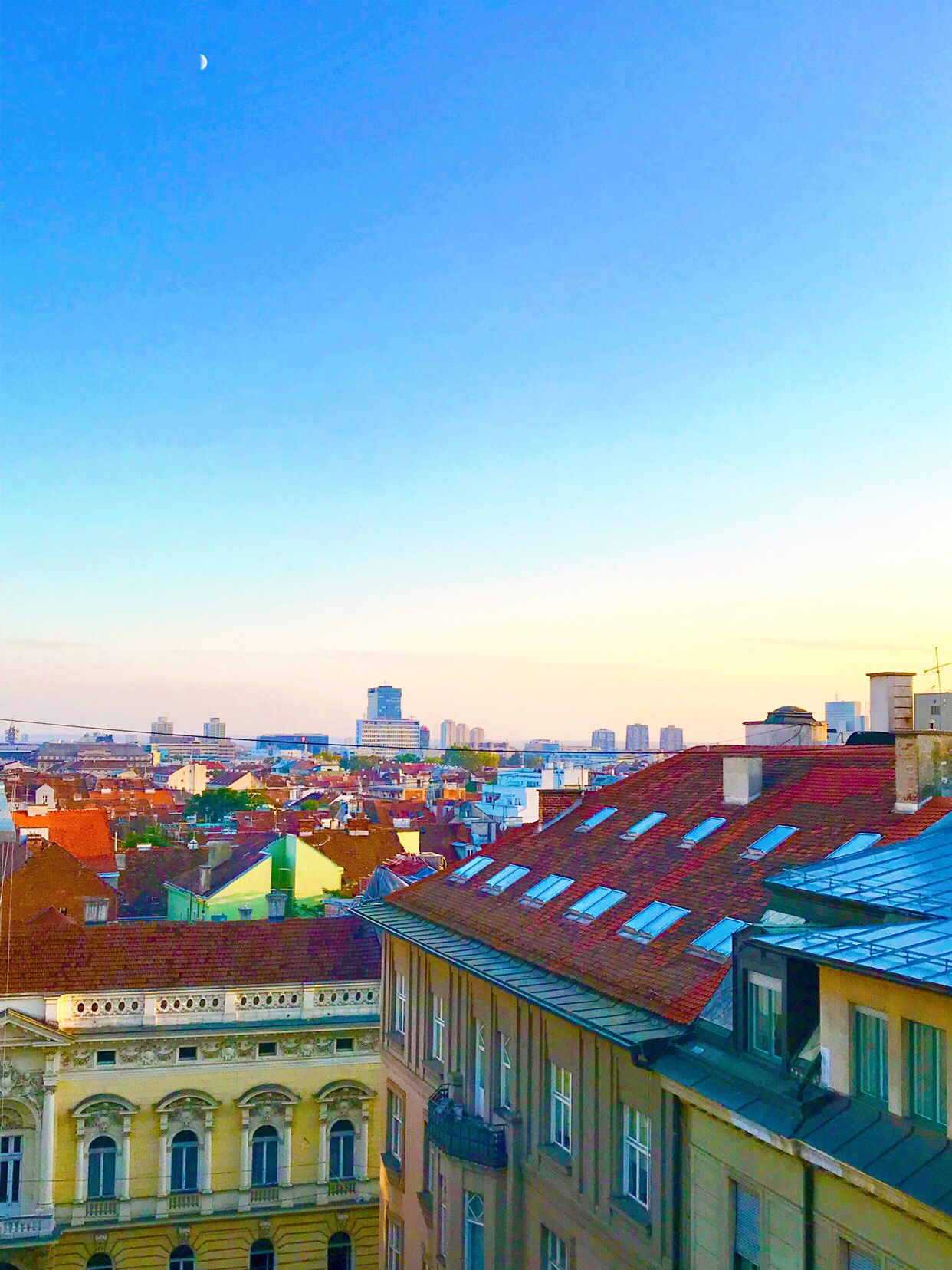
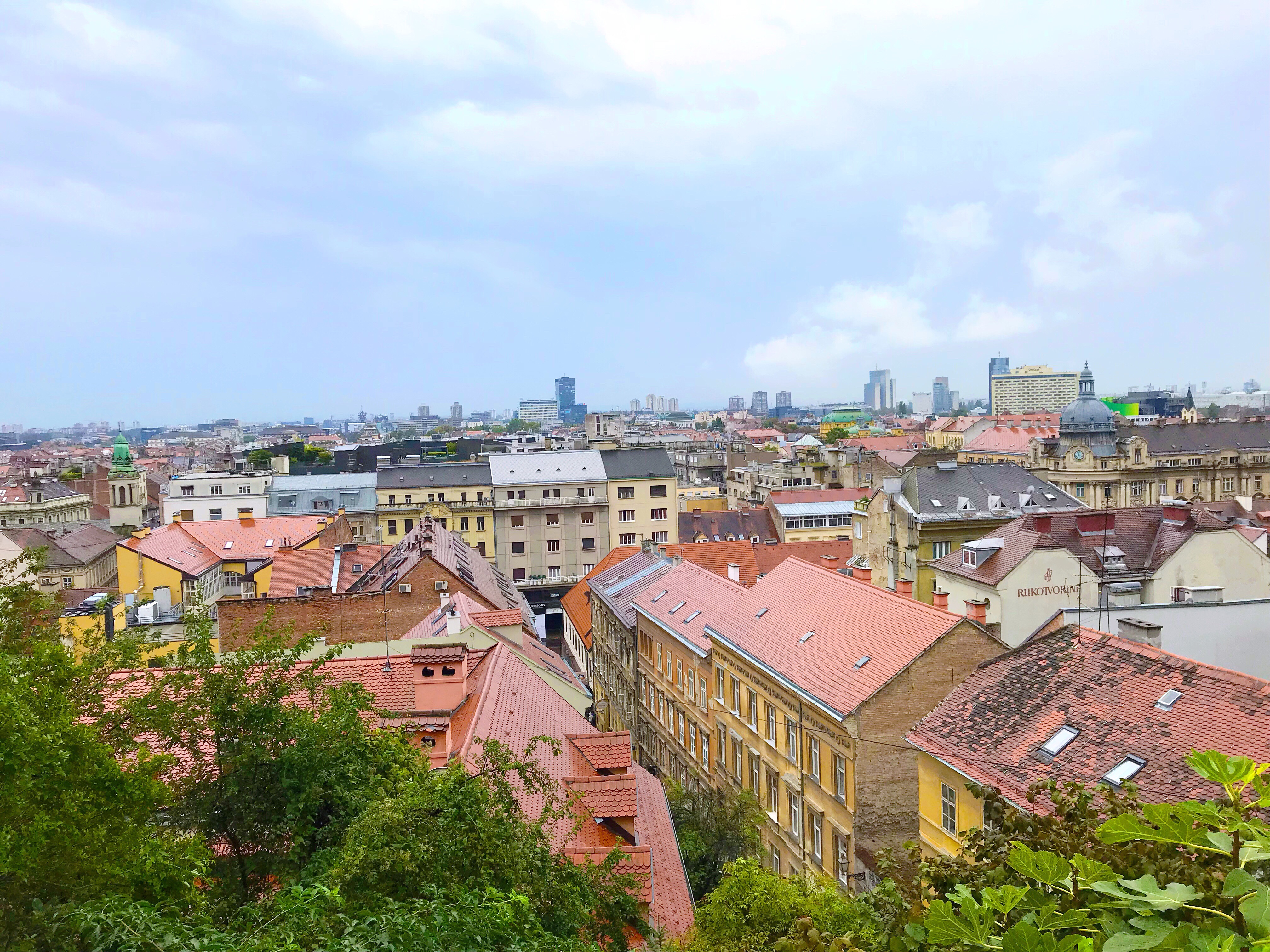
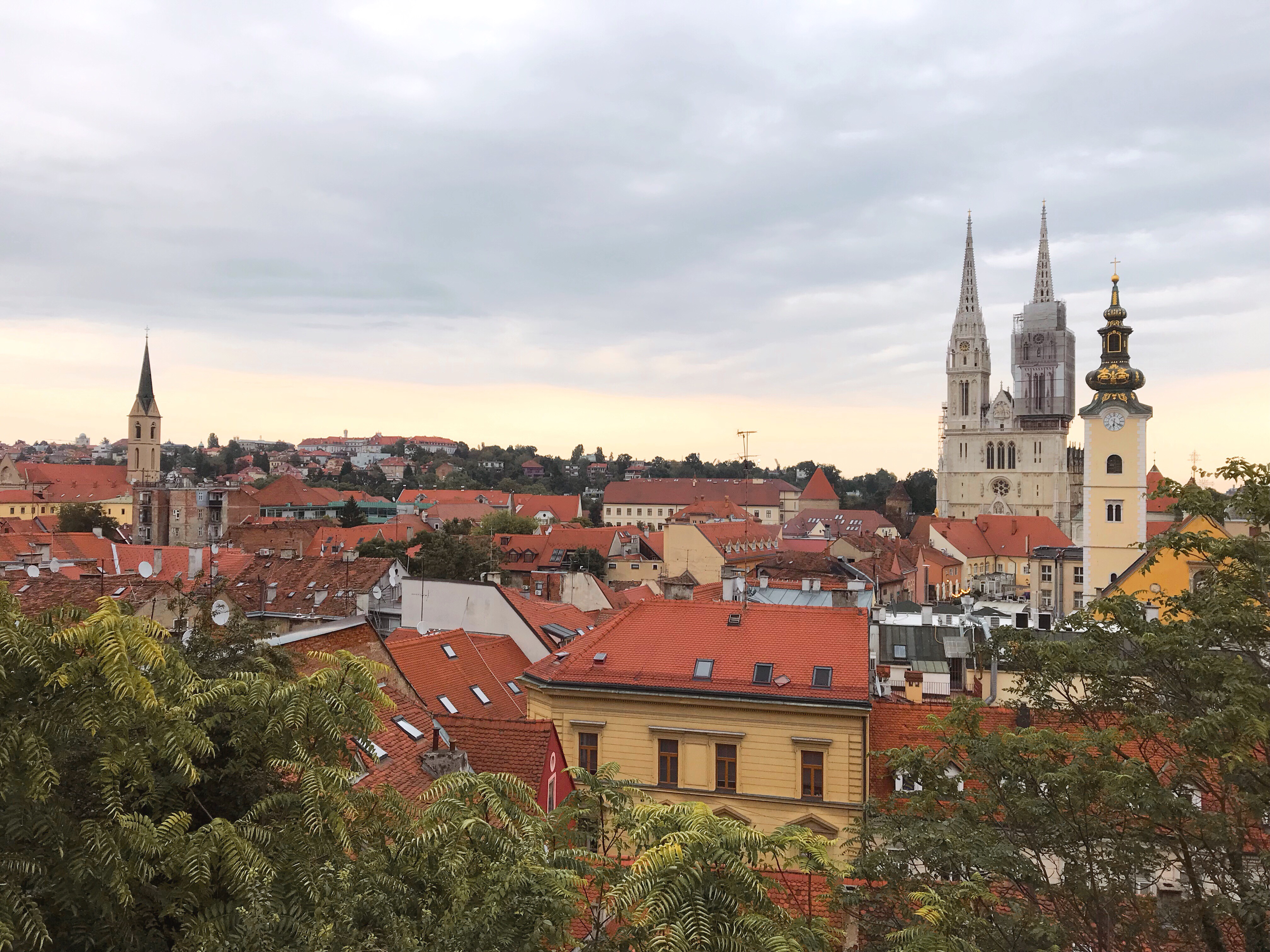
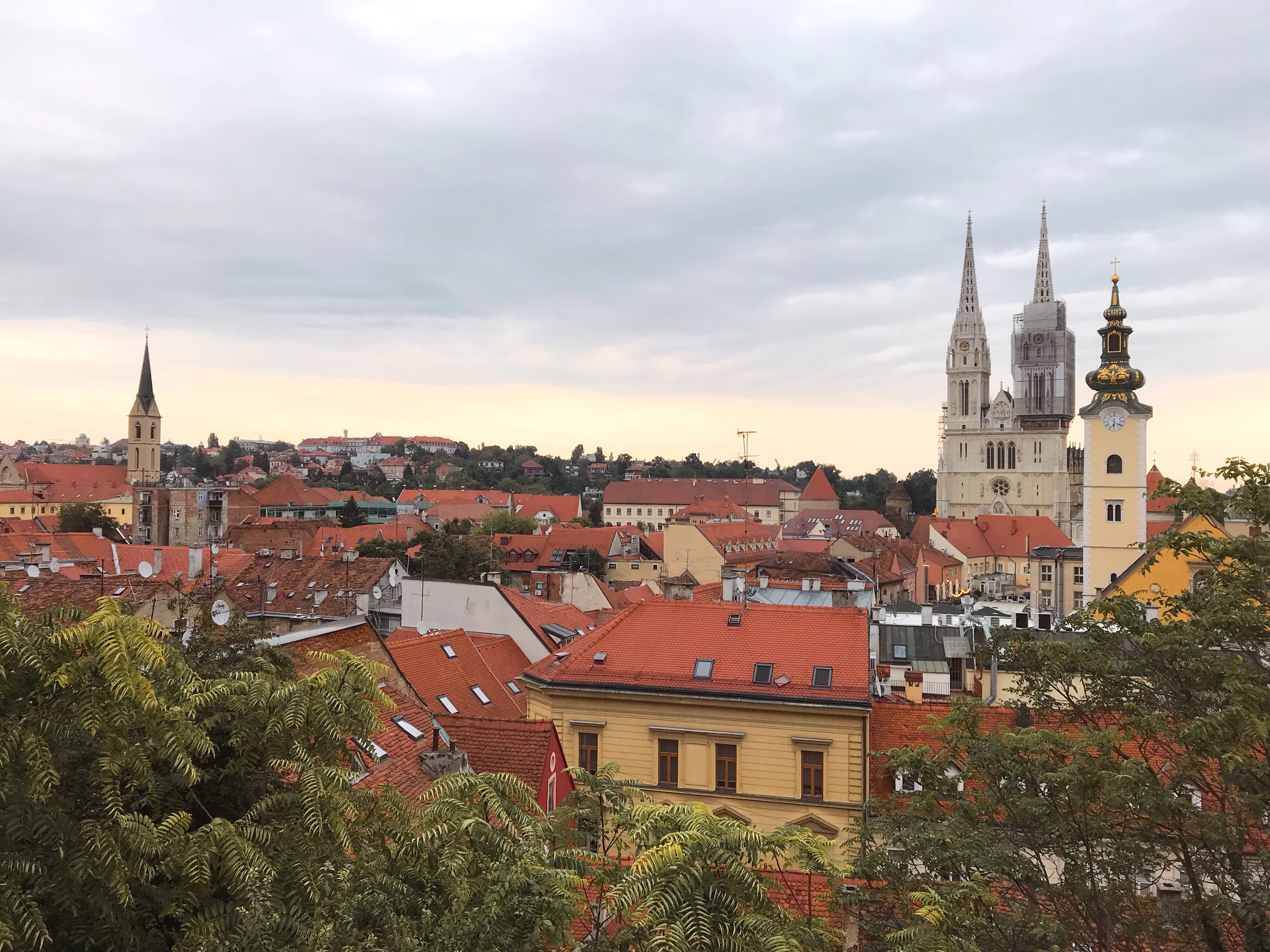
Some of my favorite views of the city were from above – the ceramic tiled roofs, brightly colored and warm cream toned buildings (even in the rain) glistened. Zdena, Chris’s chain who is a retired city planner, told us that where property owners stored their horses and carriages centuries ago, are now beautiful courtyards behind their facades.
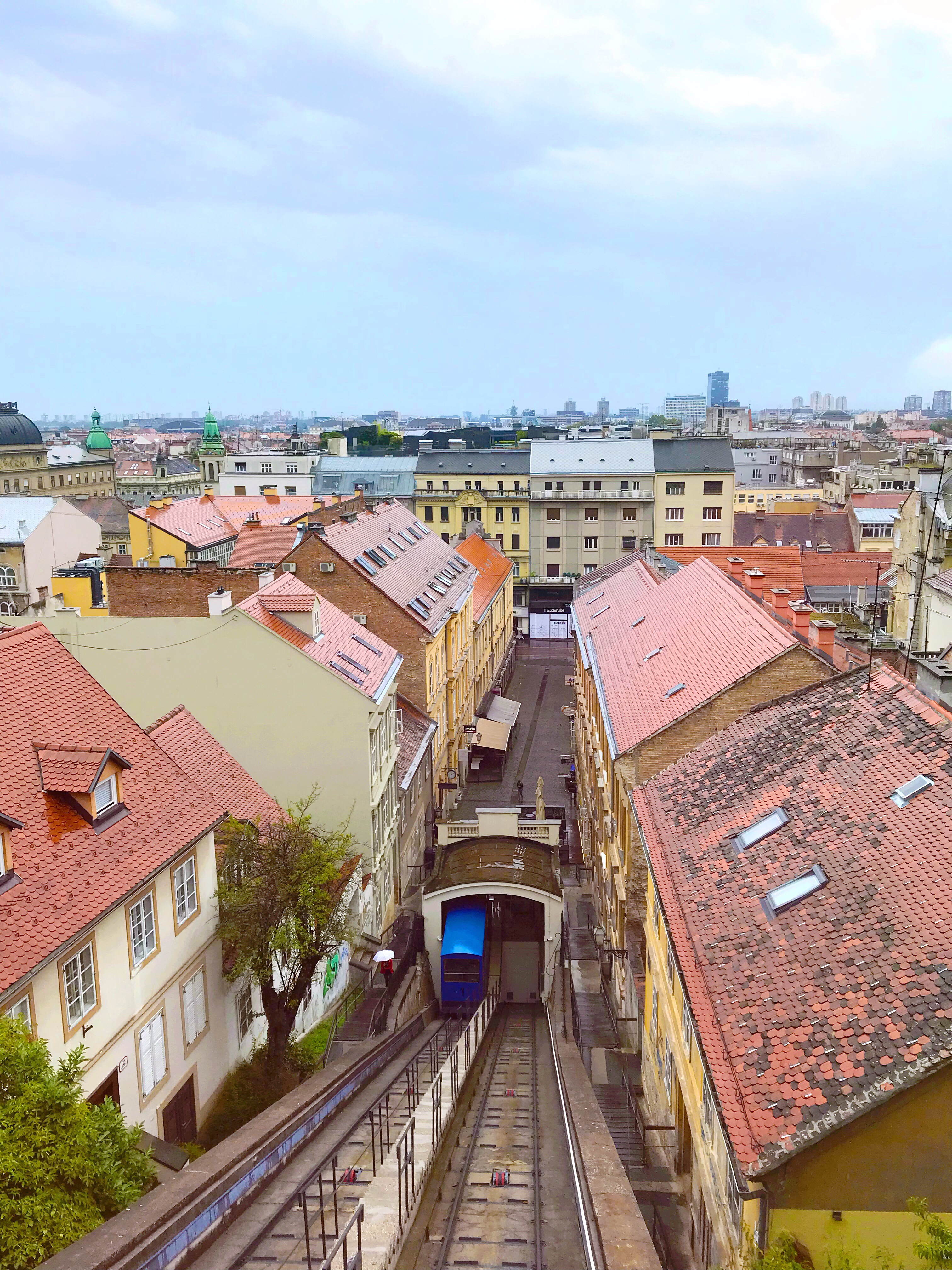
The tram that brings you from Downtown (lower Zagreb based on its placement on the hill) and Uptown (the area on top of the hill) dates back to 1890 and is still in use today. It costs just a few kuna to ride.
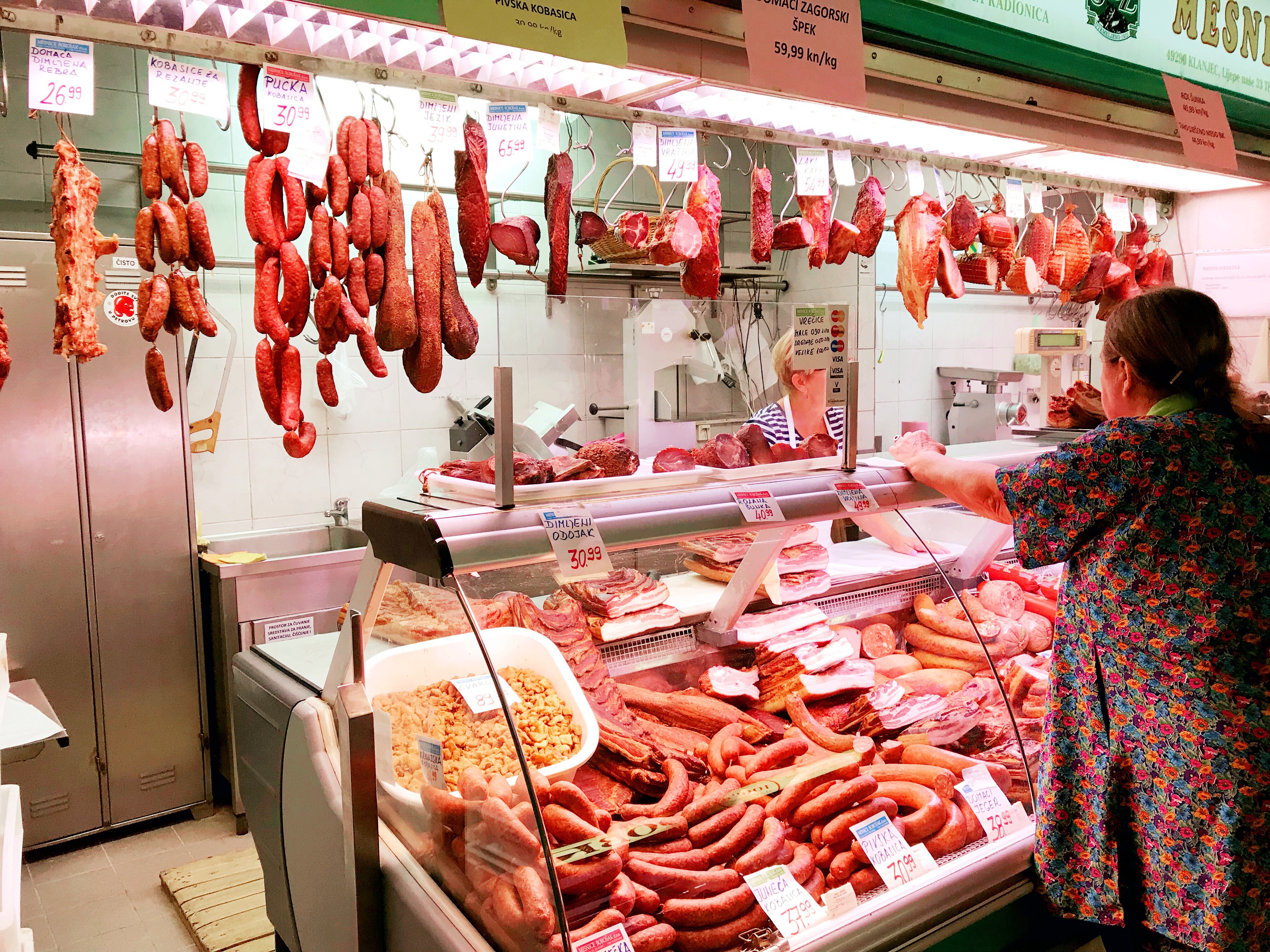
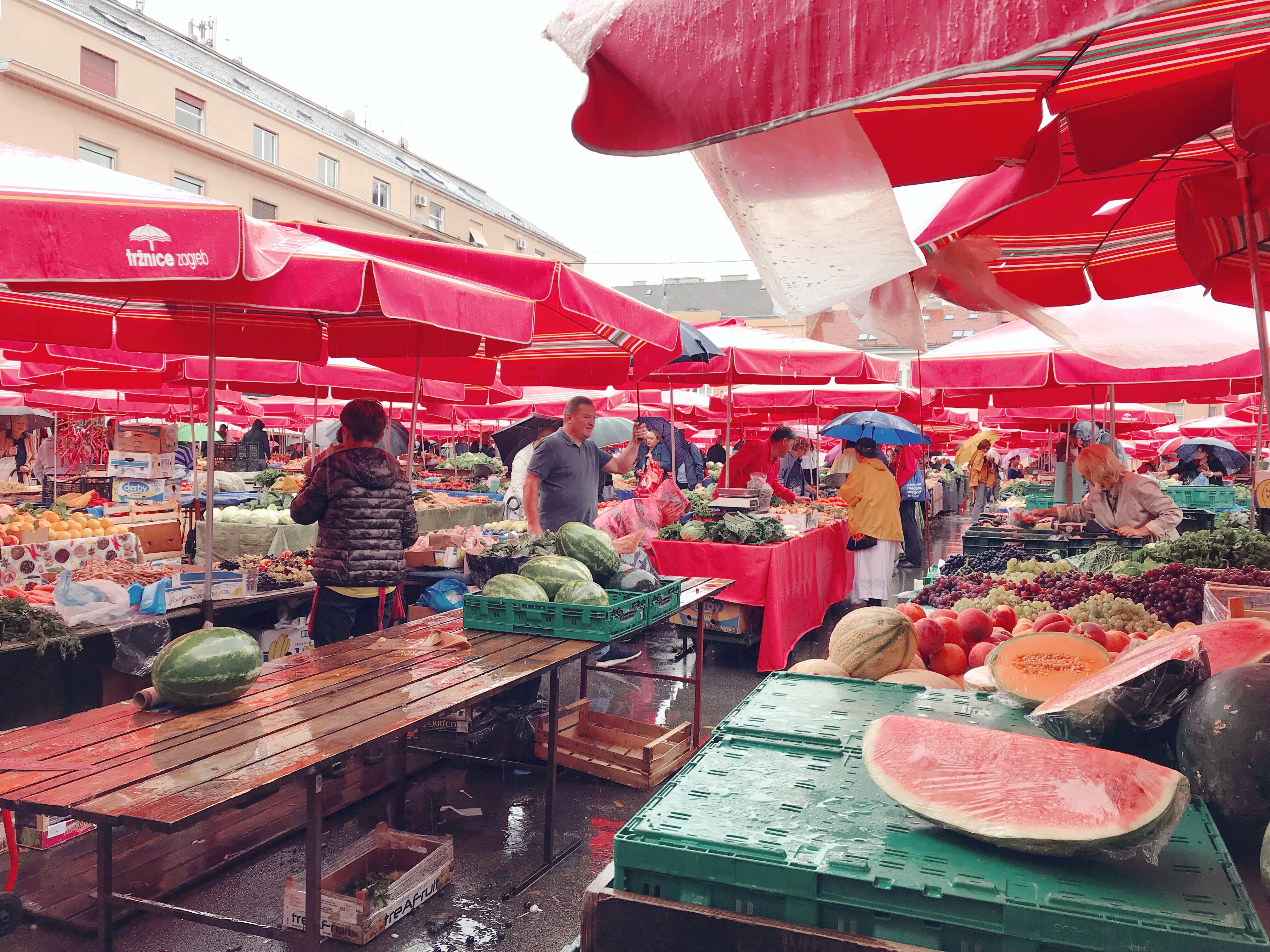
There’s a separate open air market for meat, fish, and produce, as well as a permanent market for produce and cured and fresh meats underground.
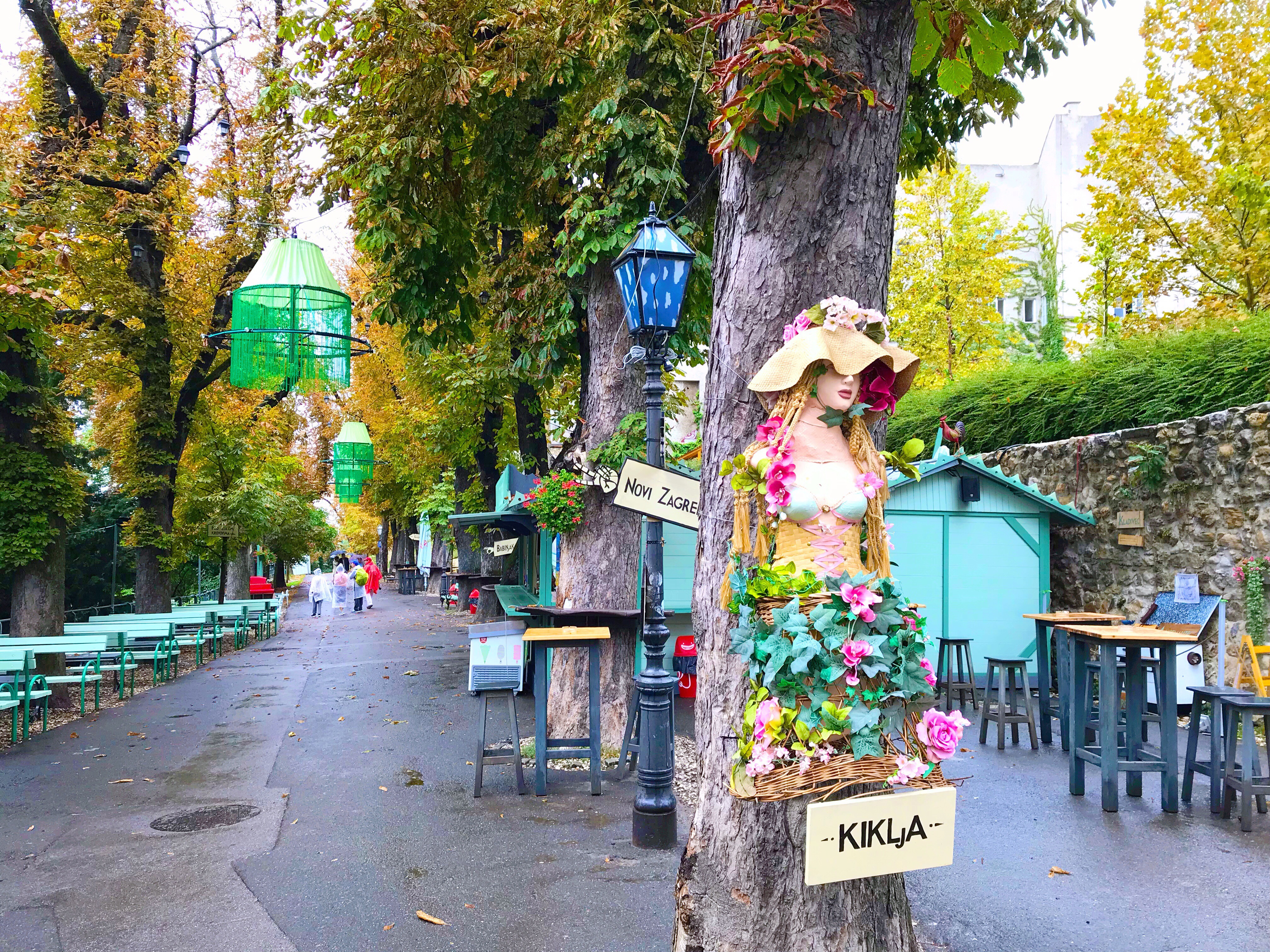
At the top of the hill, exiting the tram, there’s a long line of food and beer vendors under a chandelier lit pathway where you can have a beverage at night. People only really begin going after 8 pm, so if you walk through during the day, it may look very empty.
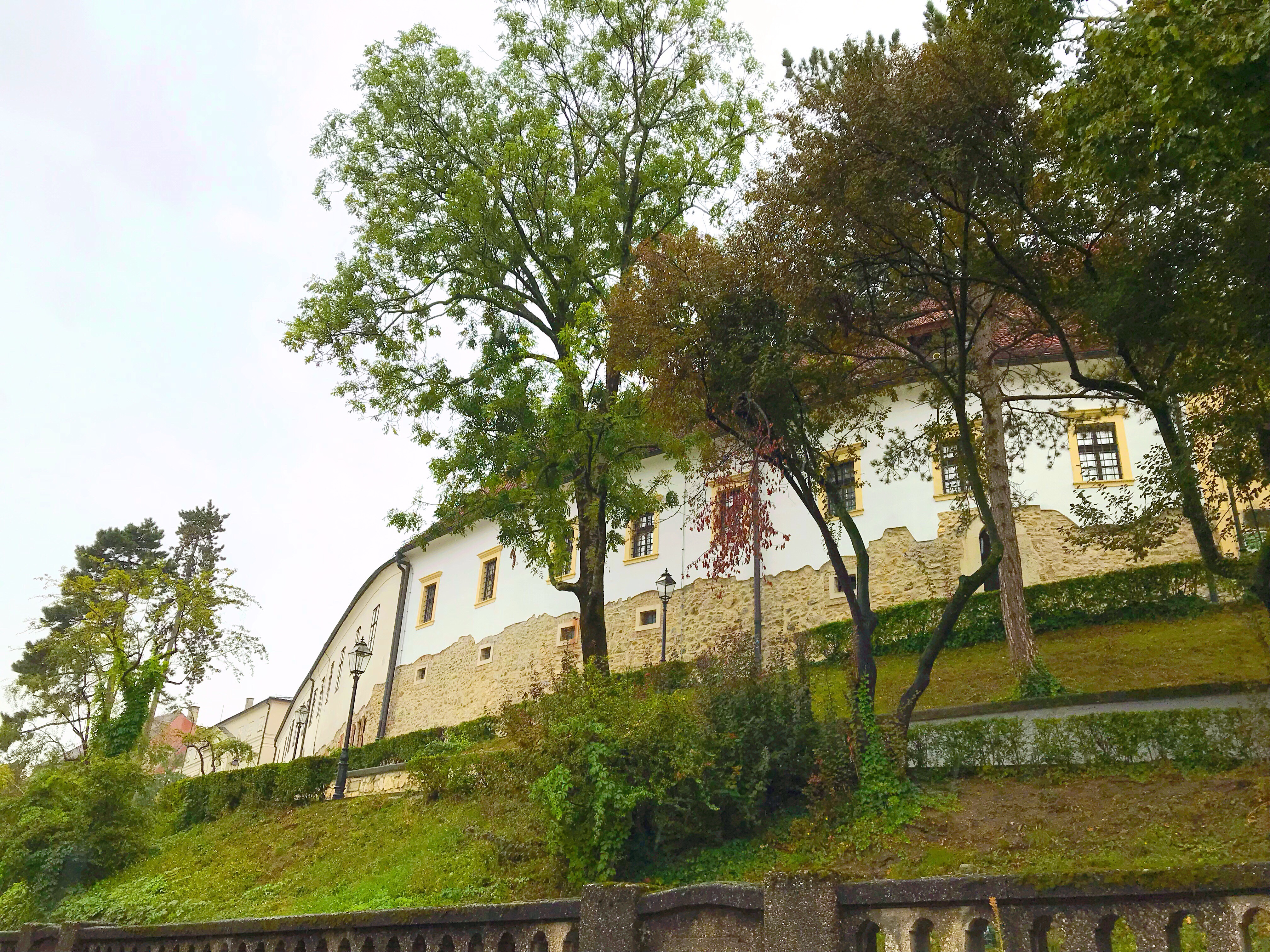
Parts of the city, including some buildings, are built right into the old city walls (city wall with a cream/white colored stucco building built into it).
Ozujsko, Pan, and Karlovacko are local Croatian beers that are a bit heavier than a Hefeweizen, but light enough to drink all day without getting too drunk.
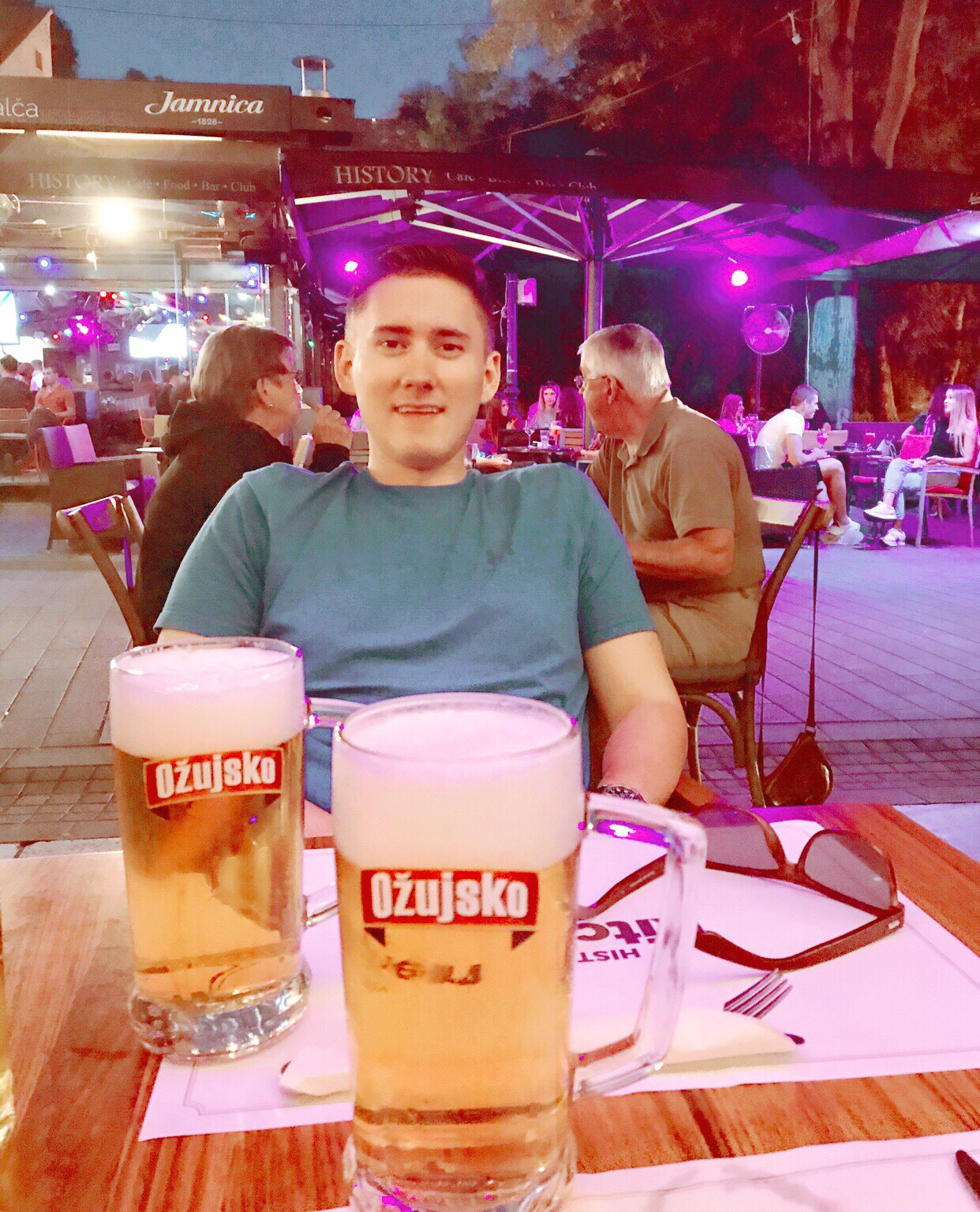
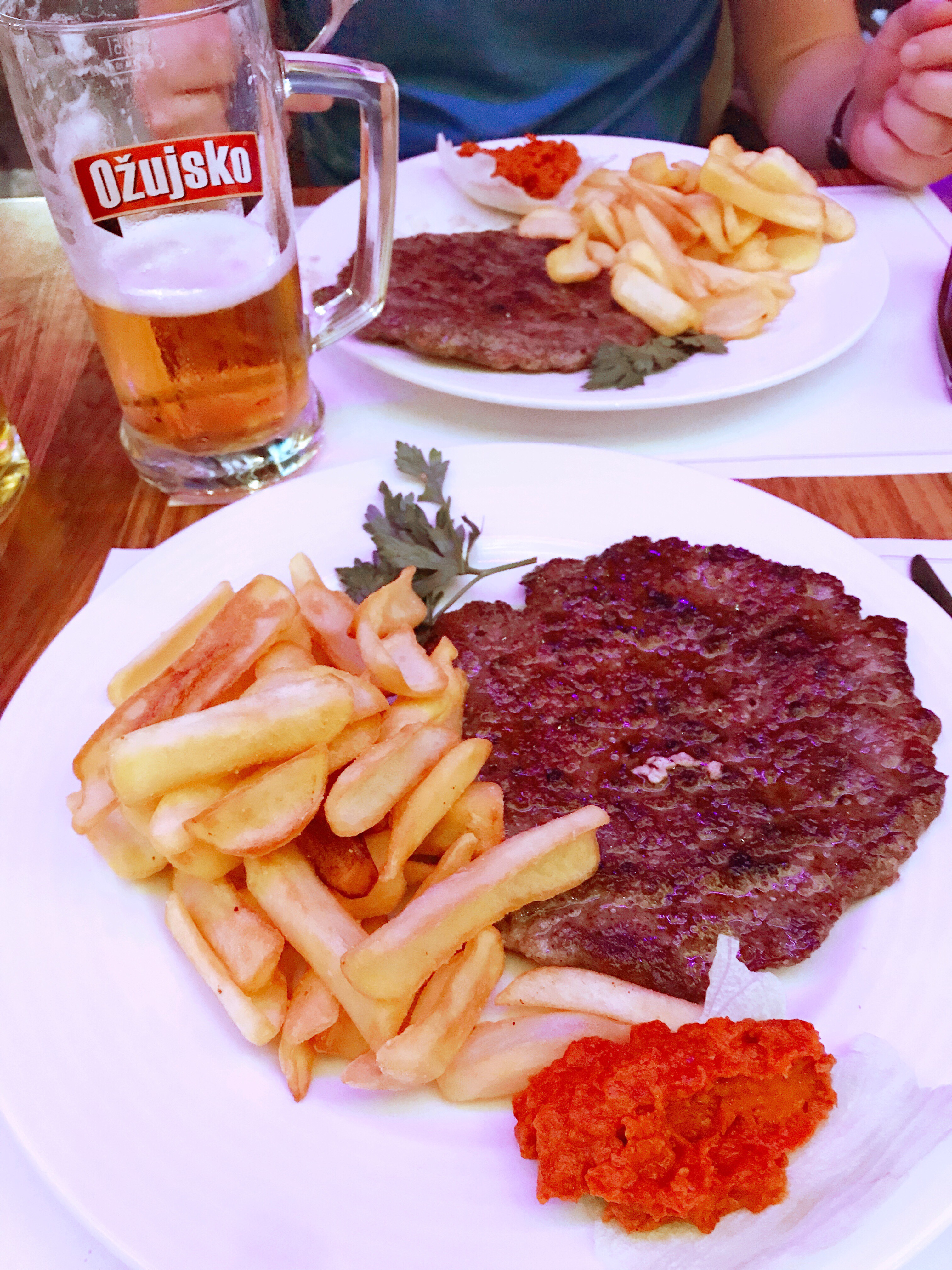
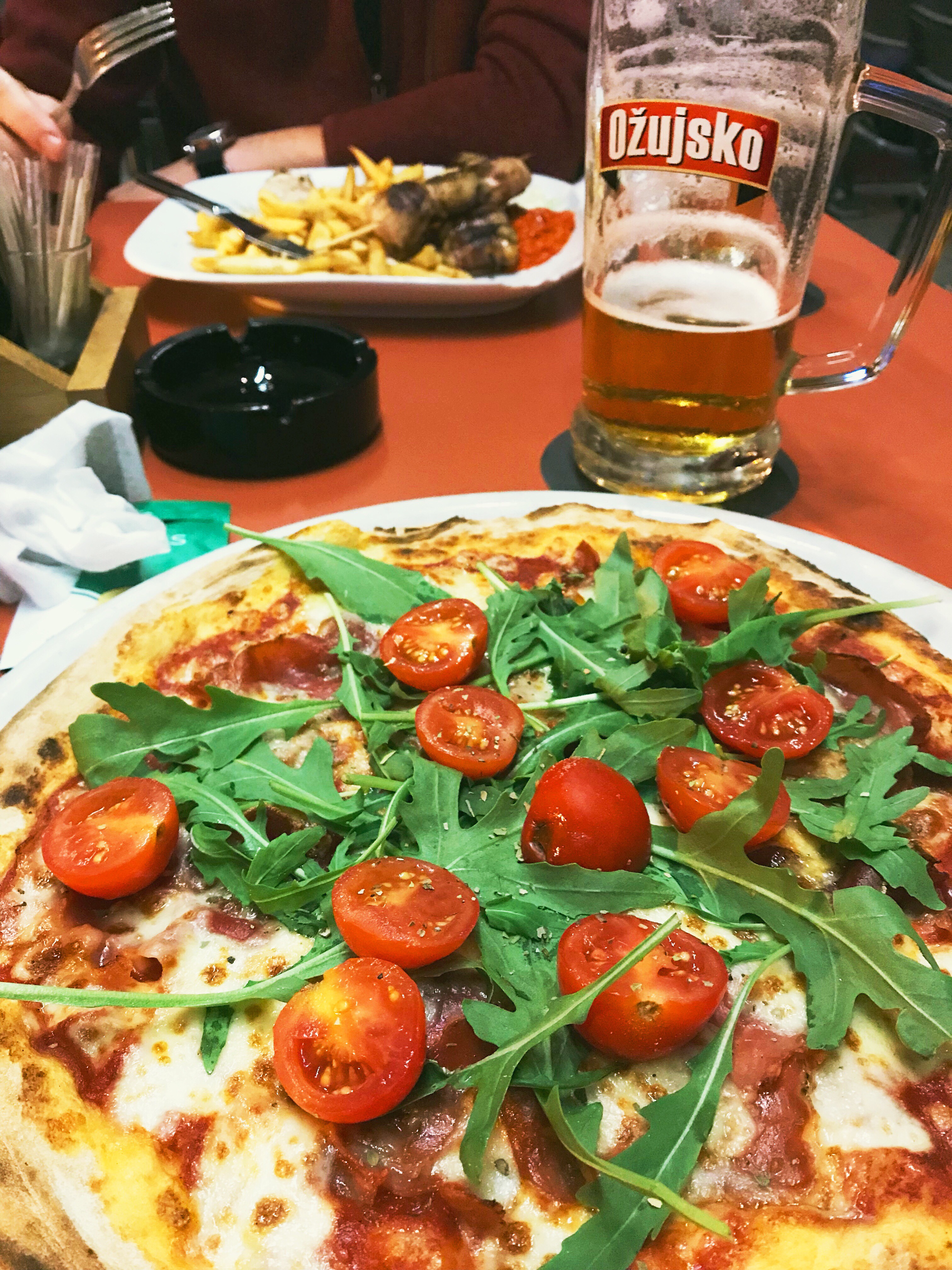
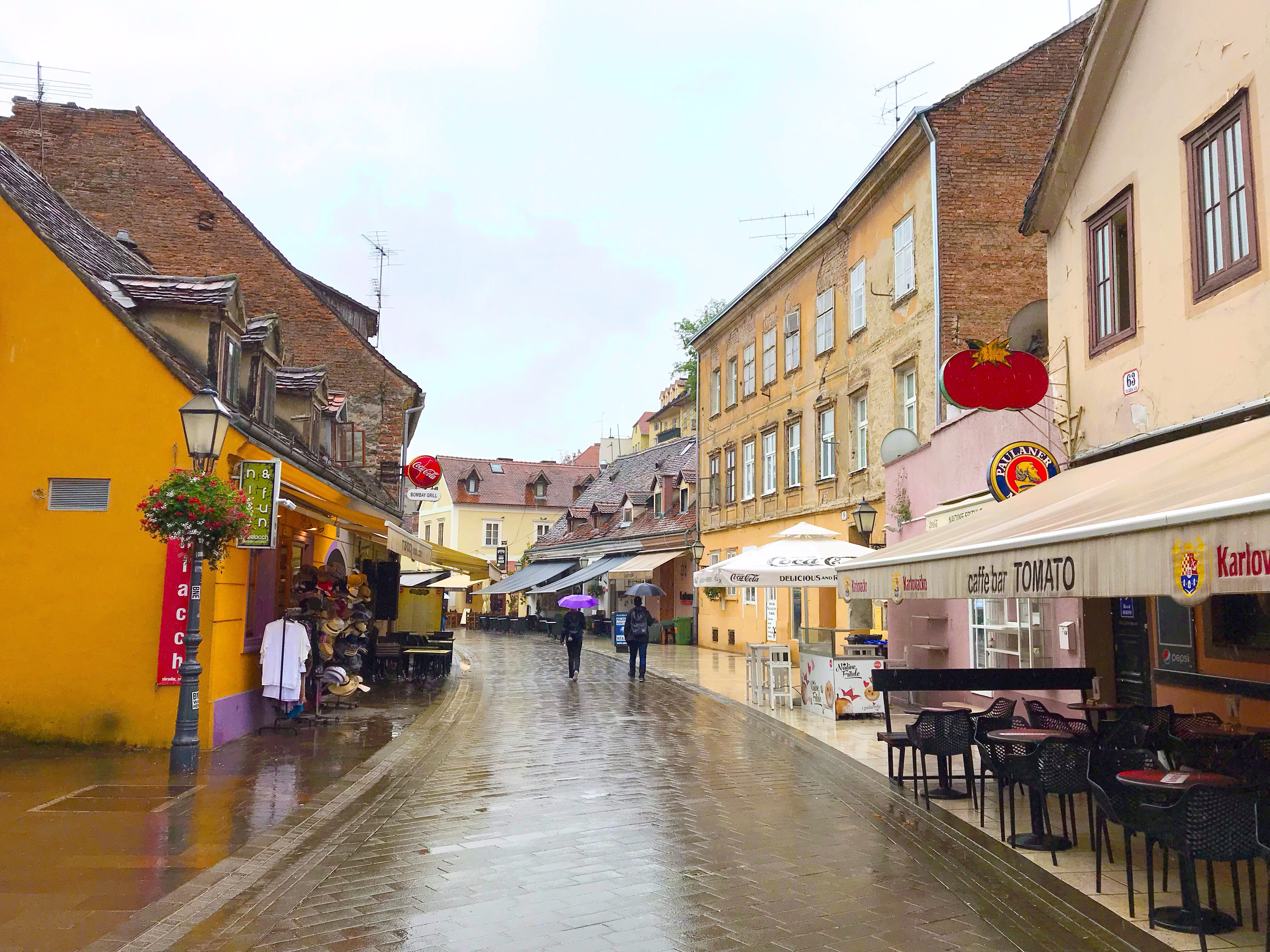
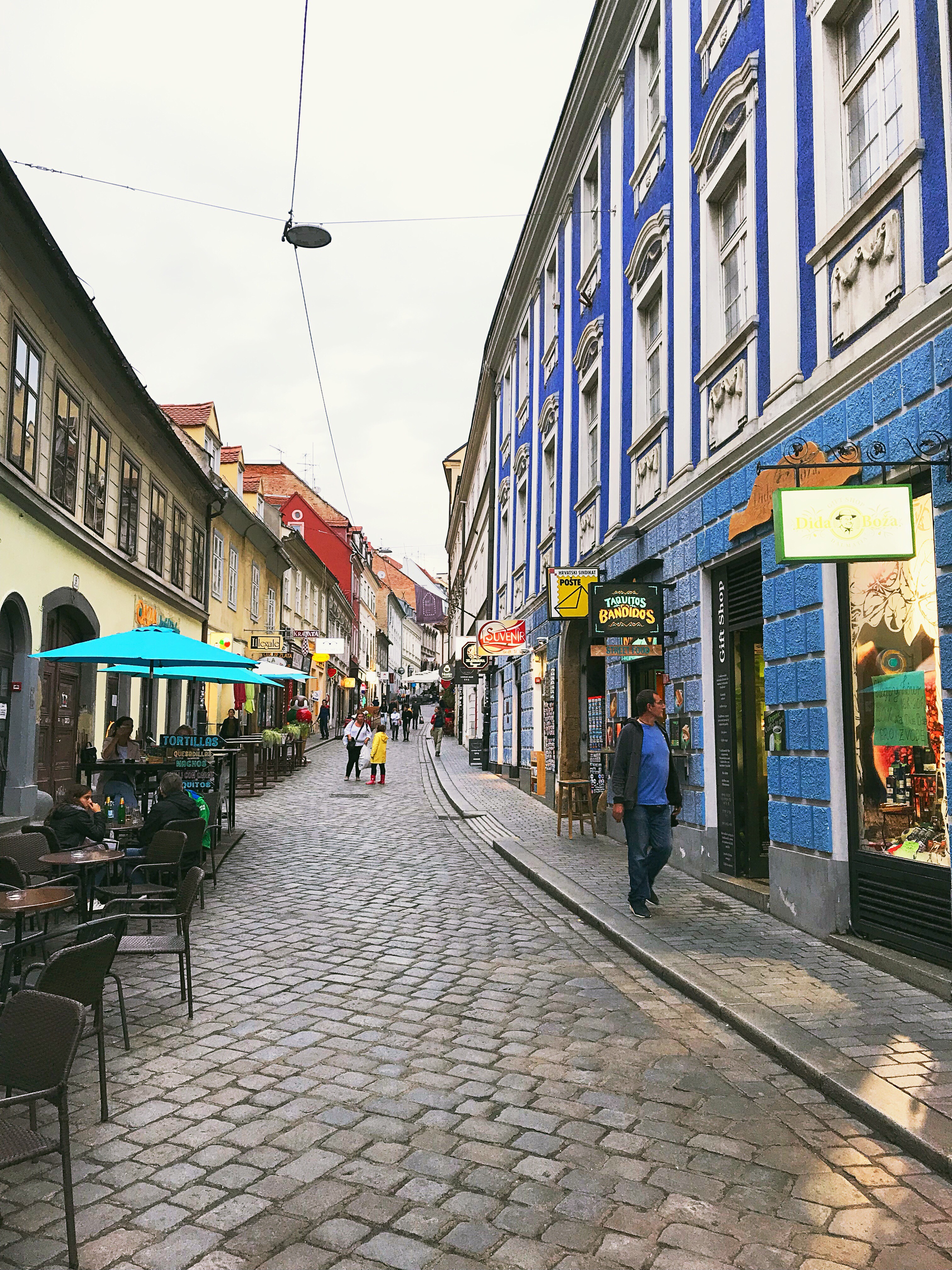
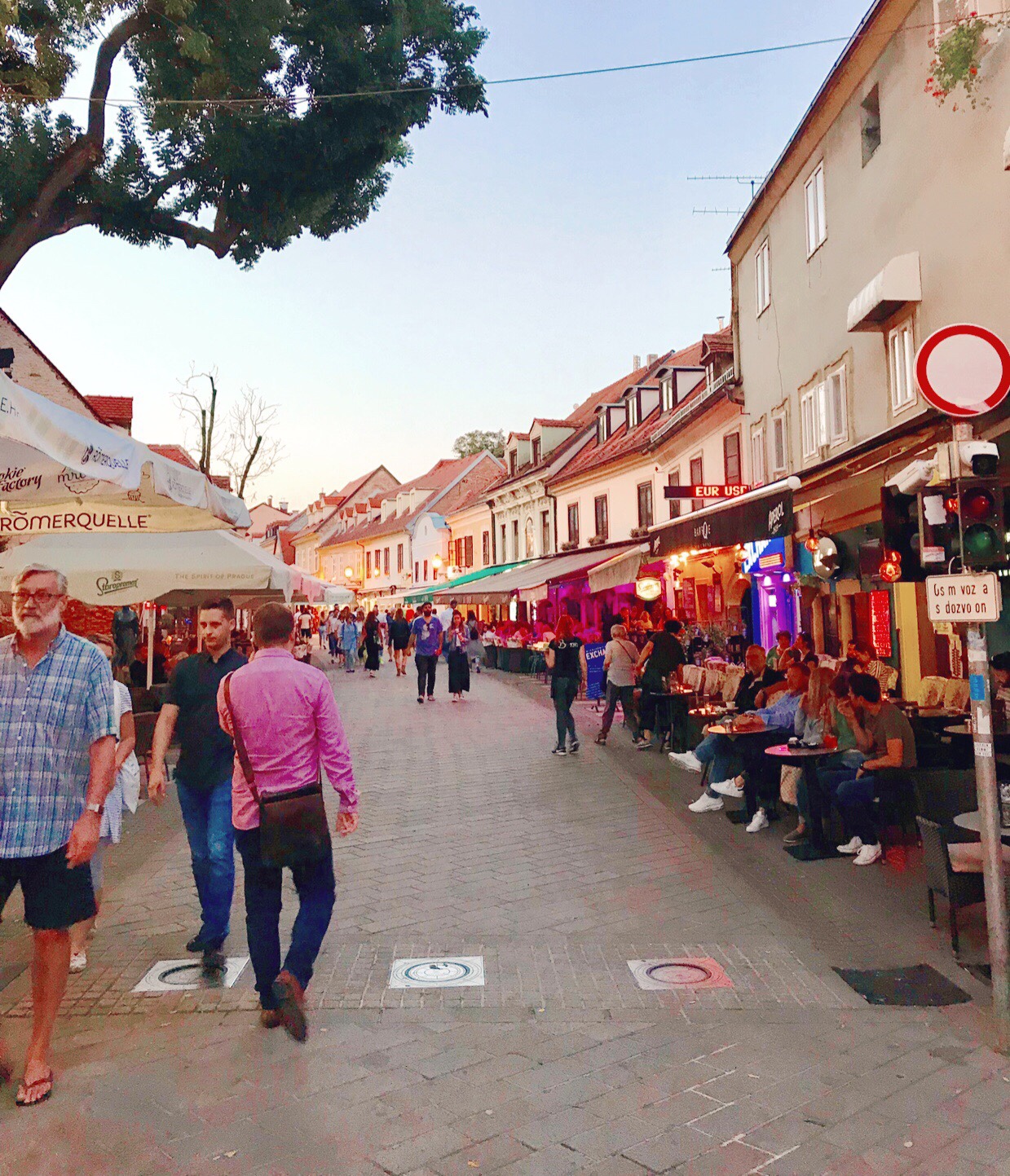
Along UI. Ivana Tkalcica (a pedestrian road), you’ll find a number of restaurants and Cafe Bars such as HISTORY (where we got the “meat patty” and Ojusko Pub Tkalca where we got pizza, both very good). With the meat patty, you’ll be served Ajvar, a roasted eggplant and peppers that’s very good. You won’t find ketchup here!
When you arrive at a restaurant in Zagreb, you can seat yourself. Tipping maxes out at 10%, but most people leave a couple of kuna.
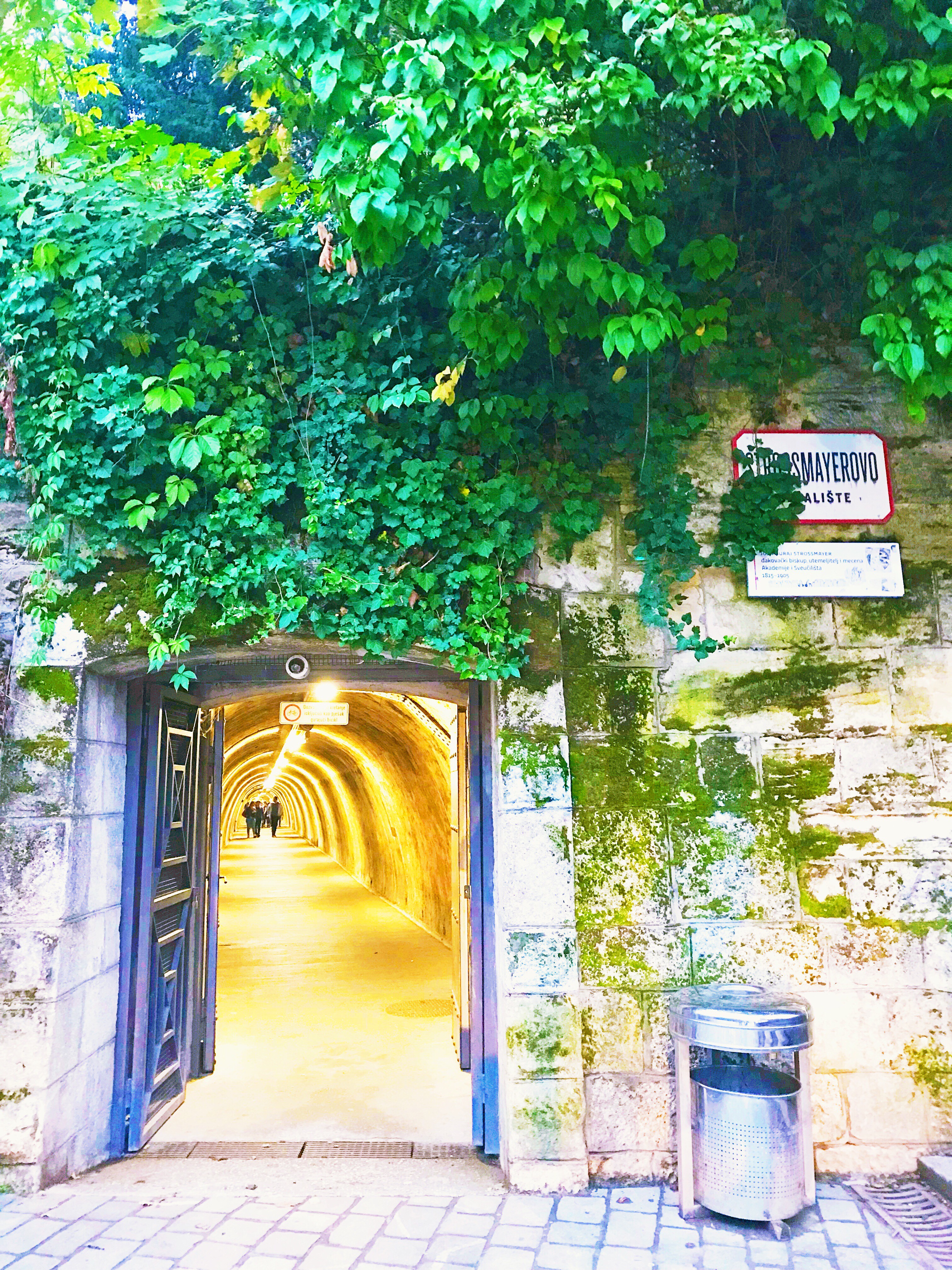
Back when Zagreb was two separate communities (the two hills, Kaptol run by the church, and Gradec, owned by the people), people dug these tunnels, Tunel Gric, to move and communicate between the two areas in secret.
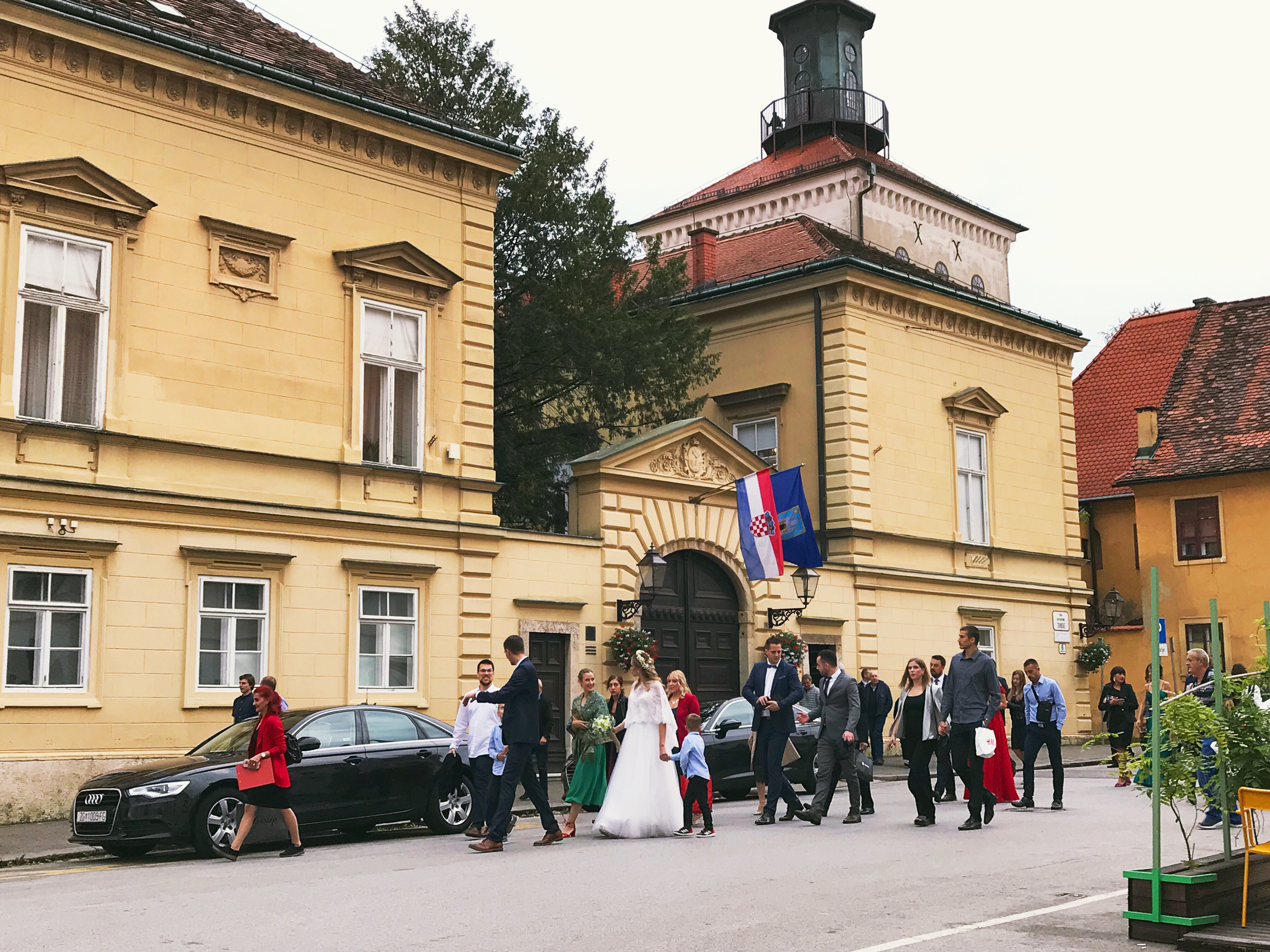
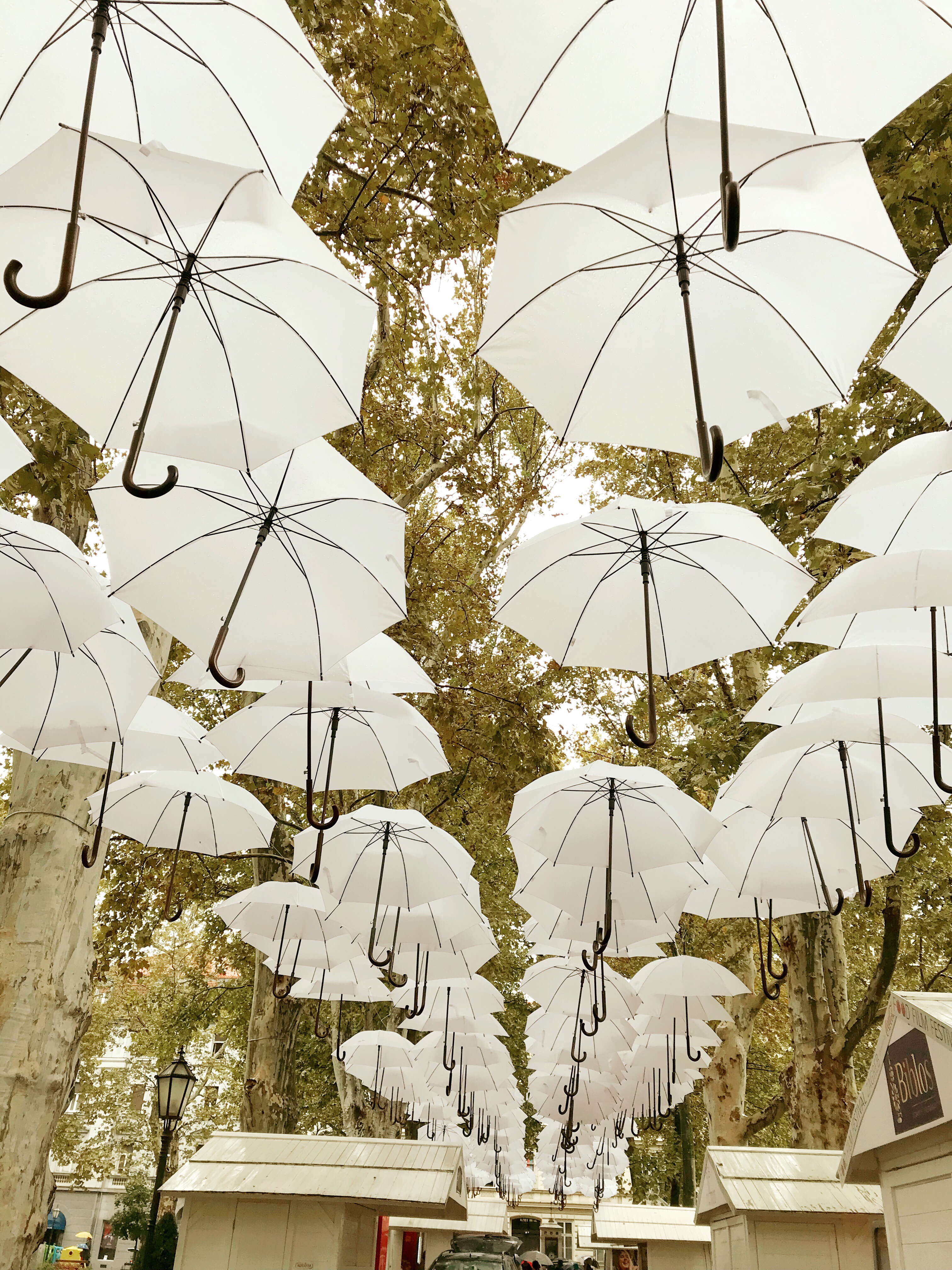
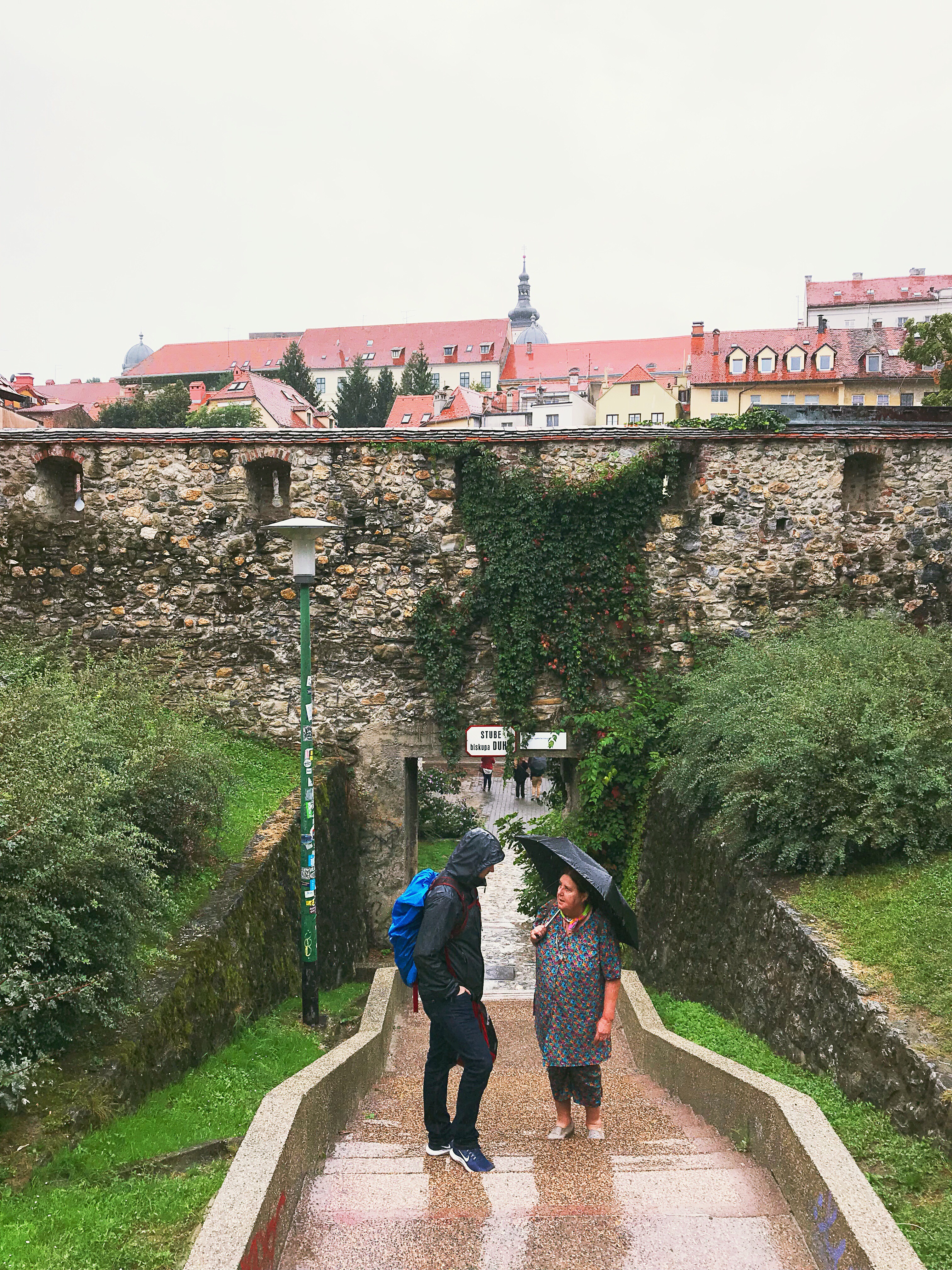
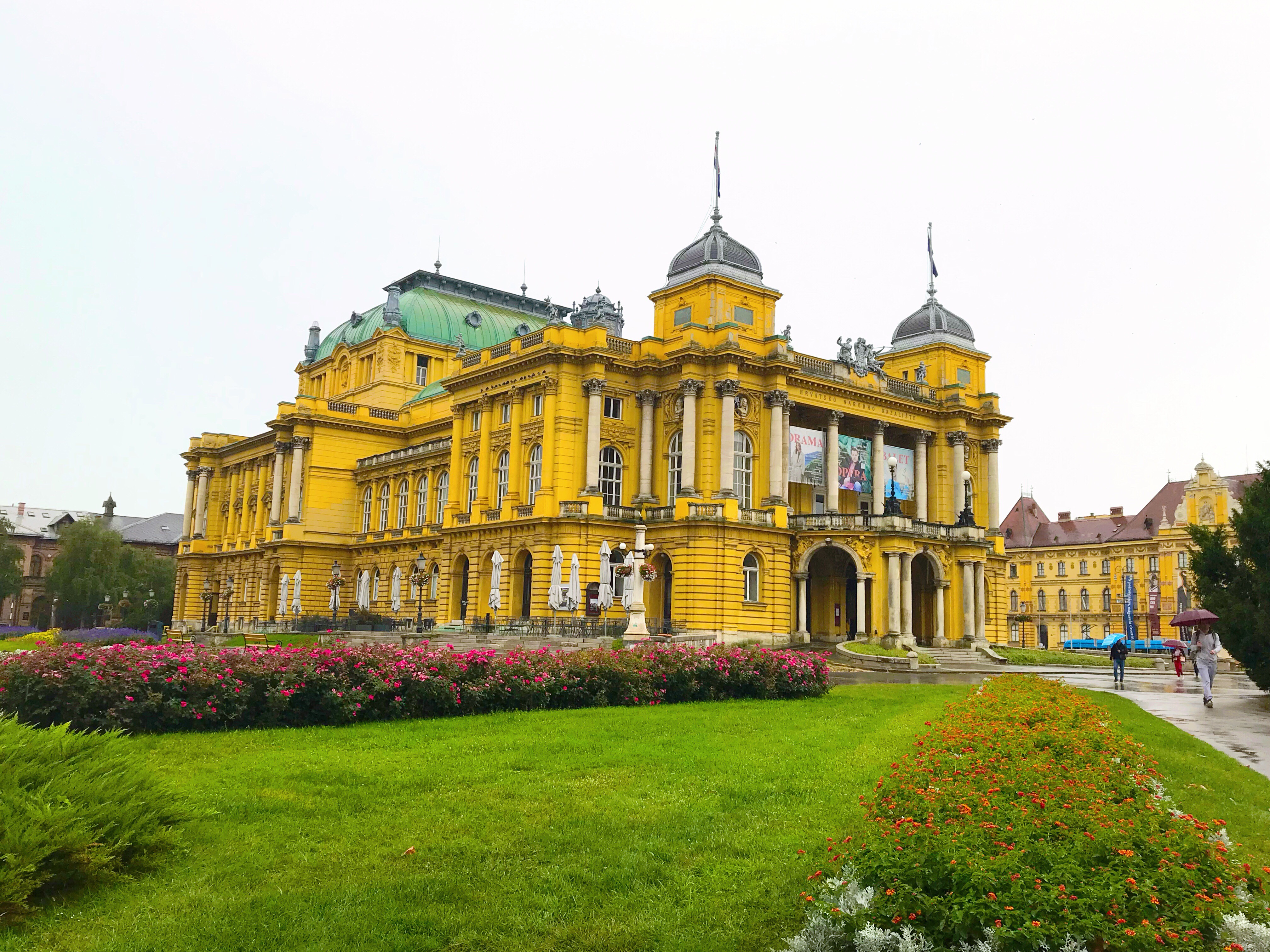
Zagreb’s Opera House and museum were stunning. Built at the end of the 19th Century by two imperial Austrian-Hungary architects named Helier and Felner who also designed the opera house in Vienna.
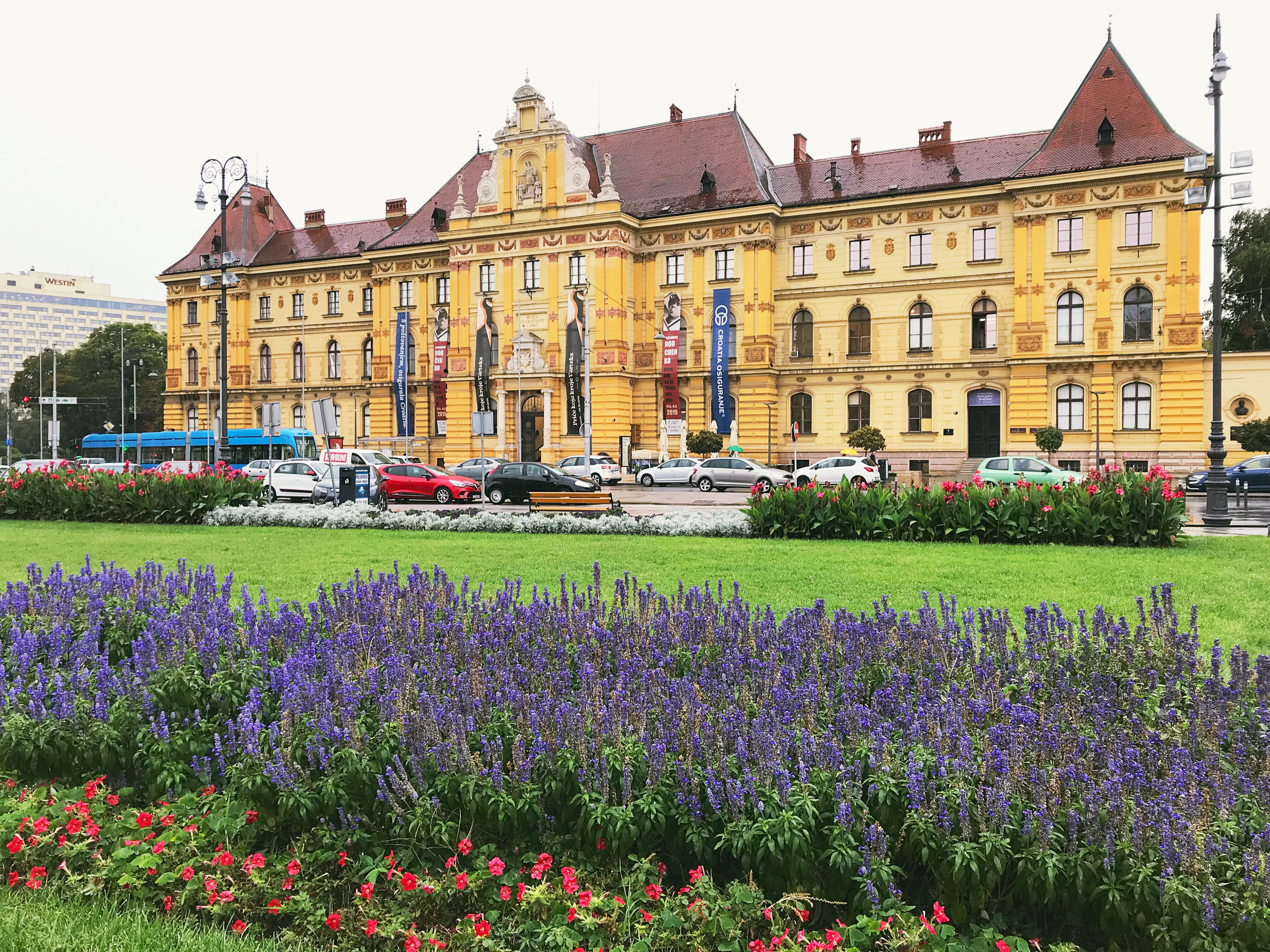
PART II – the history of Zagreb seen in today’s buildings, artifacts, and culture
Growing up in America (where unfortunately people think we’re the center of the universe…), it’s easy to forget that other countries histories span way before and much more recent than the US’s scope of reference. Zagreb’s history stretches back to the 11th Century, and at the same time, Croatia only became independent the year after I was born.
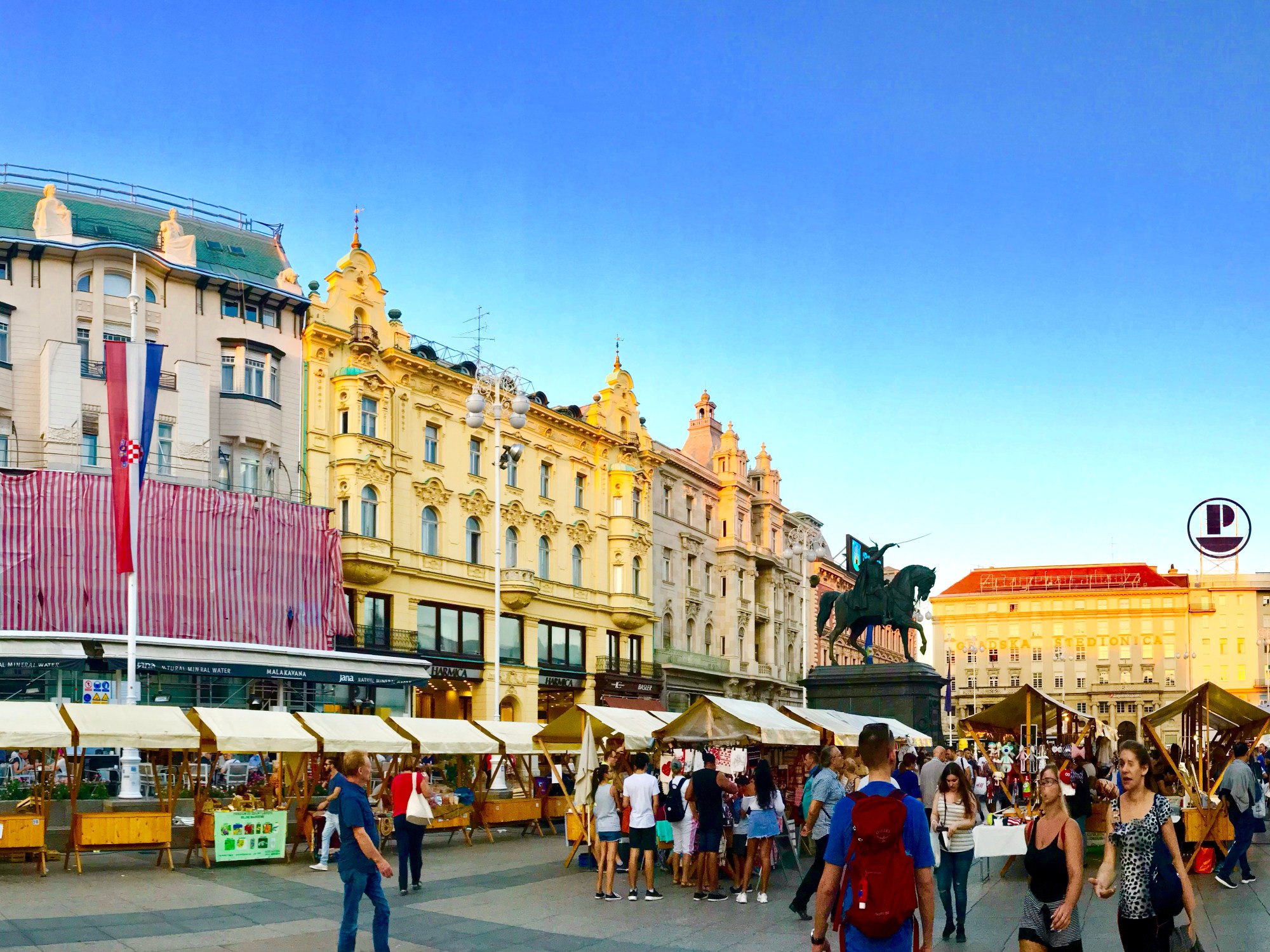
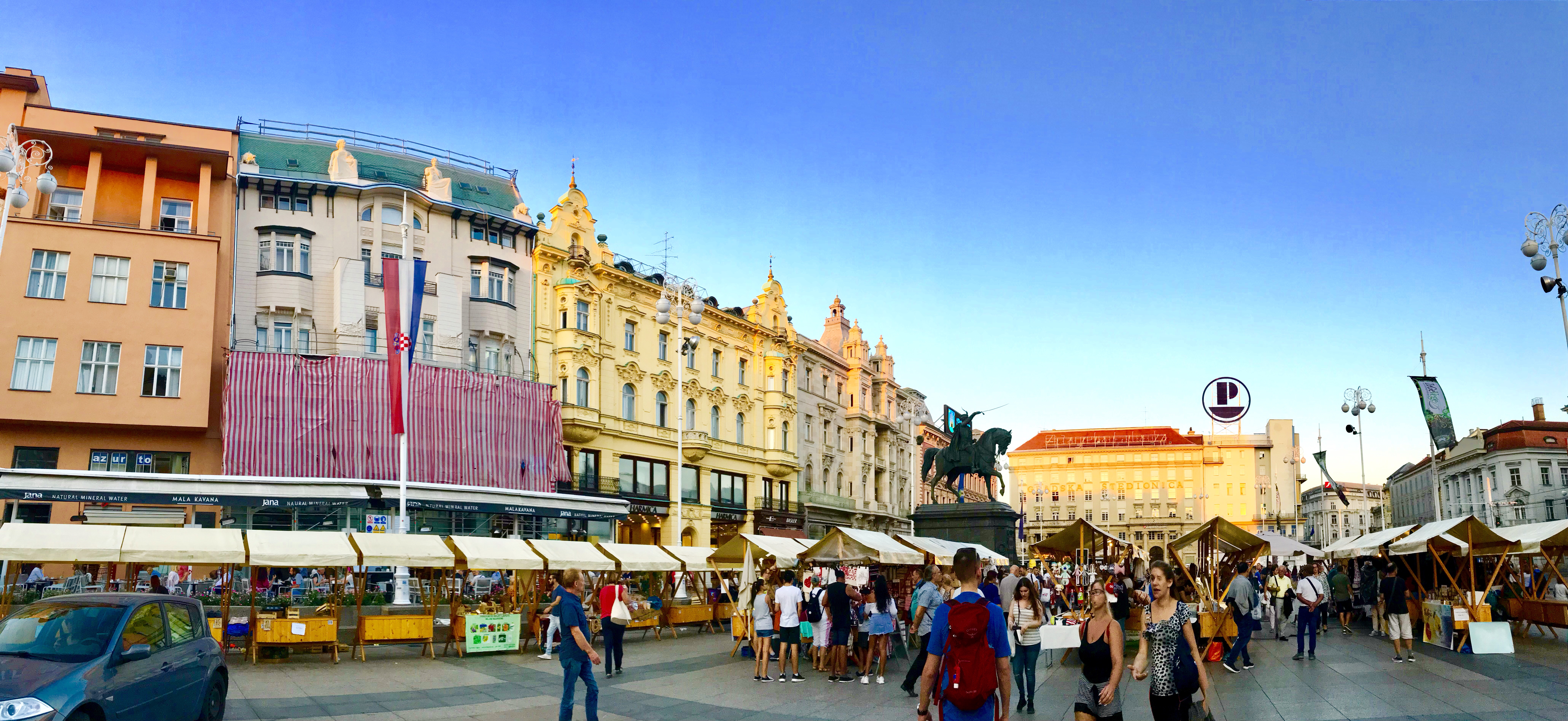
So many areas within this capital showcase its history. In the 18th Century, Trg Josip Jelačića was chosen as the site for trade fairs as it lay on major roadways to other villages, and today it still offers a small open air market.
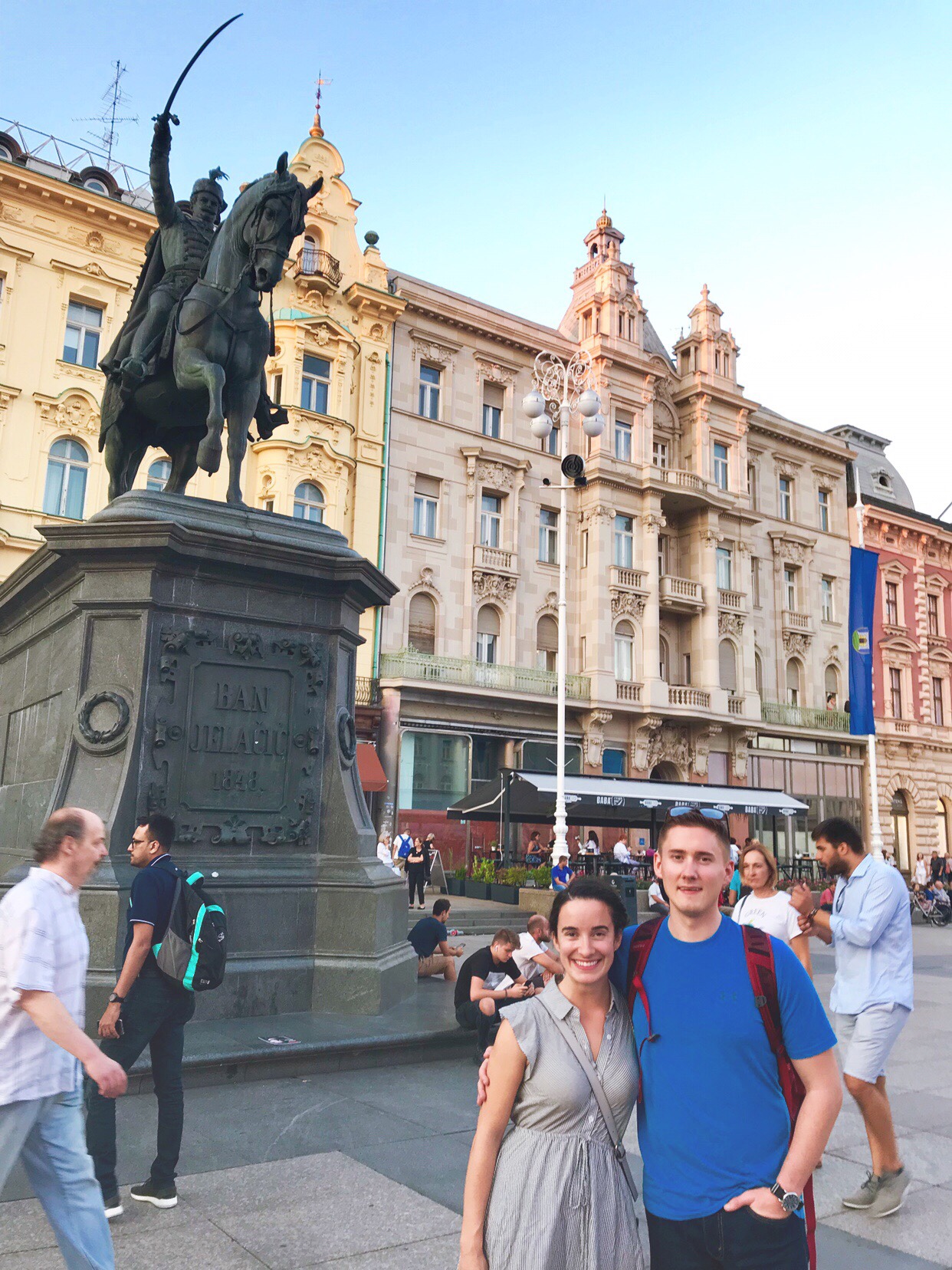
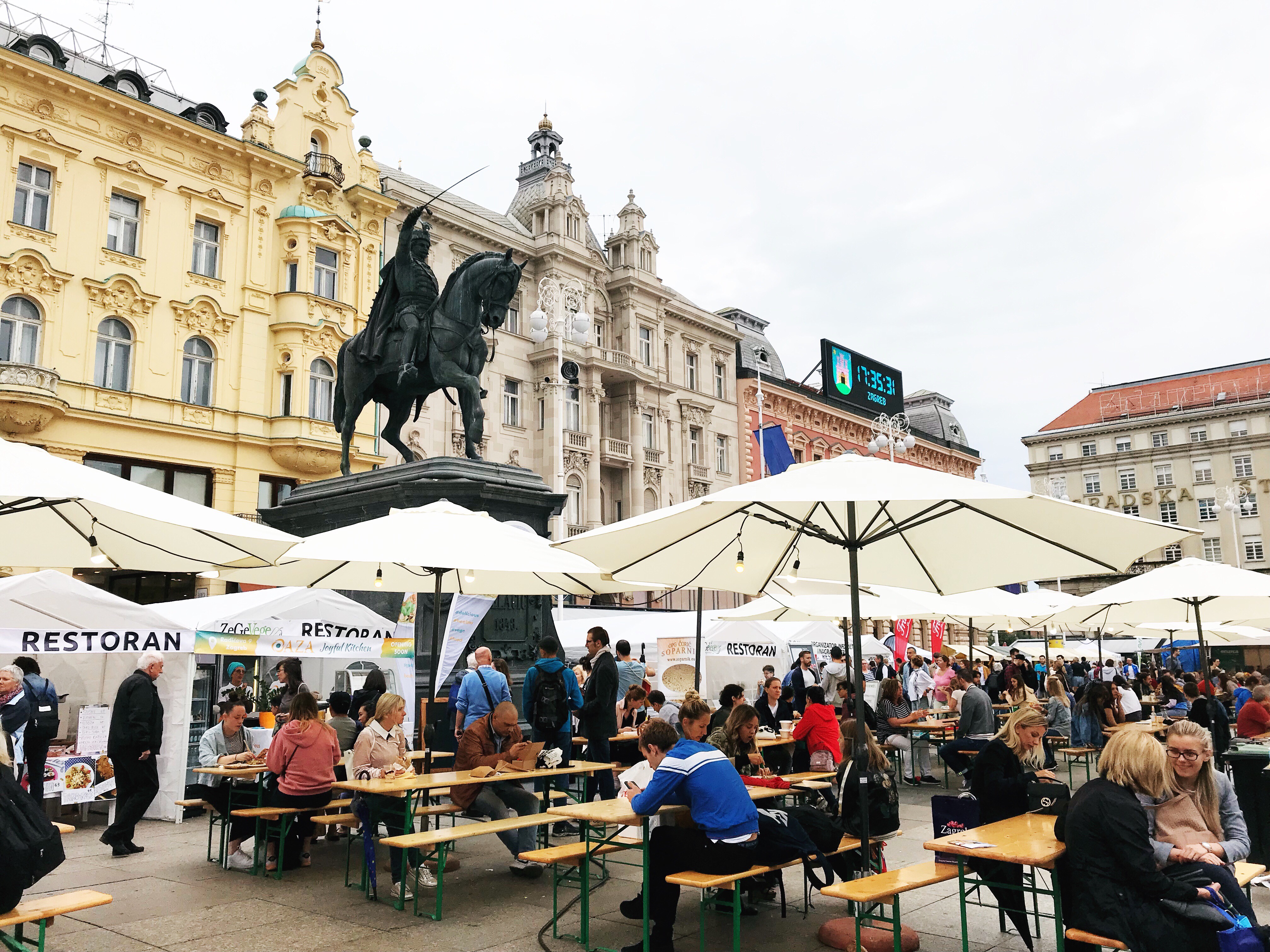
Kaptol, one of the original two hills that Zagreb was founded on in the 11th Century, is a collection of winding pedestrian roads with architecture from the 12-14th Centuries, Cafe Bars with plates of meats and plentiful beers, and remnants of brothels that were still up and running 100 years ago.
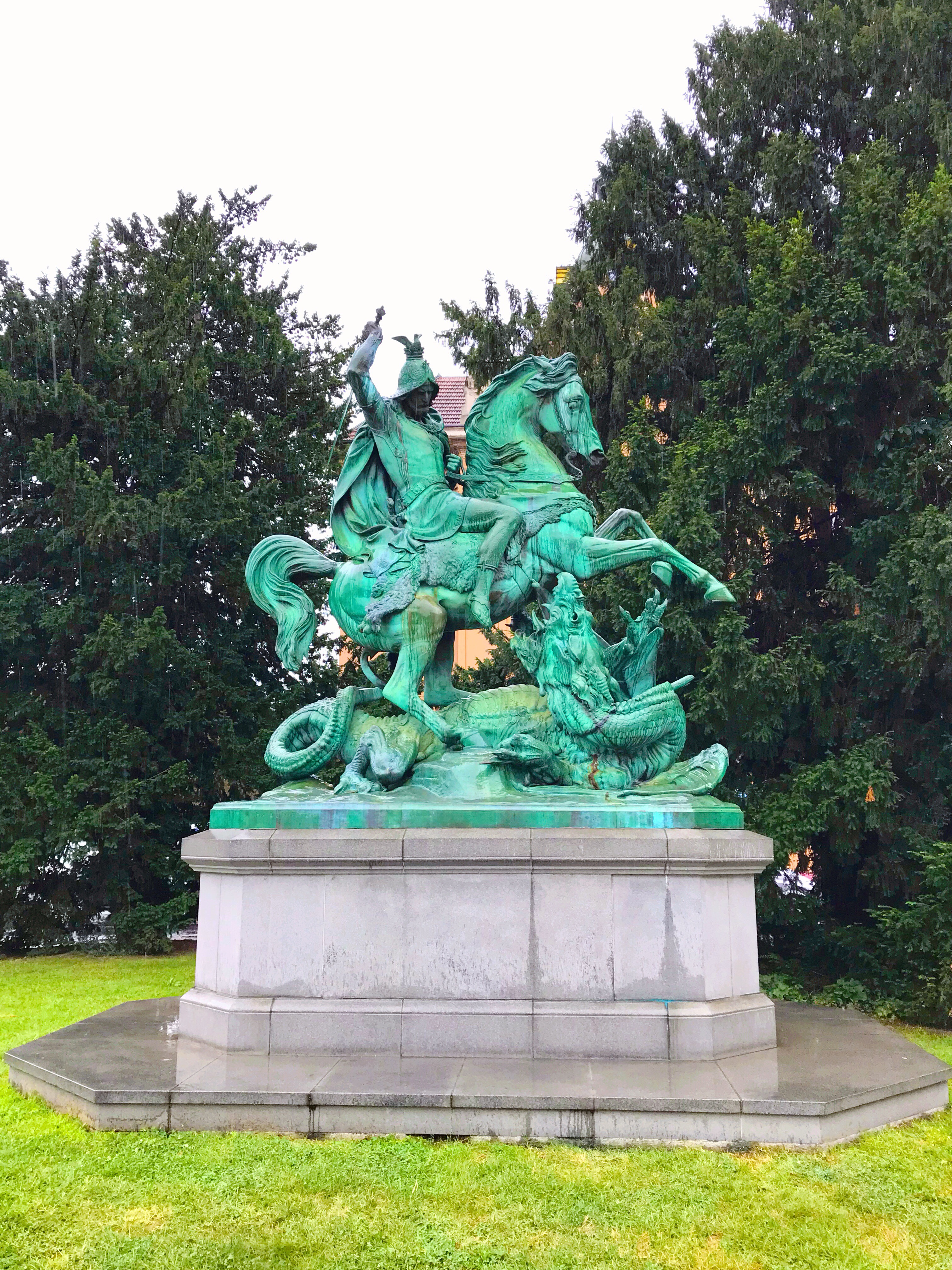
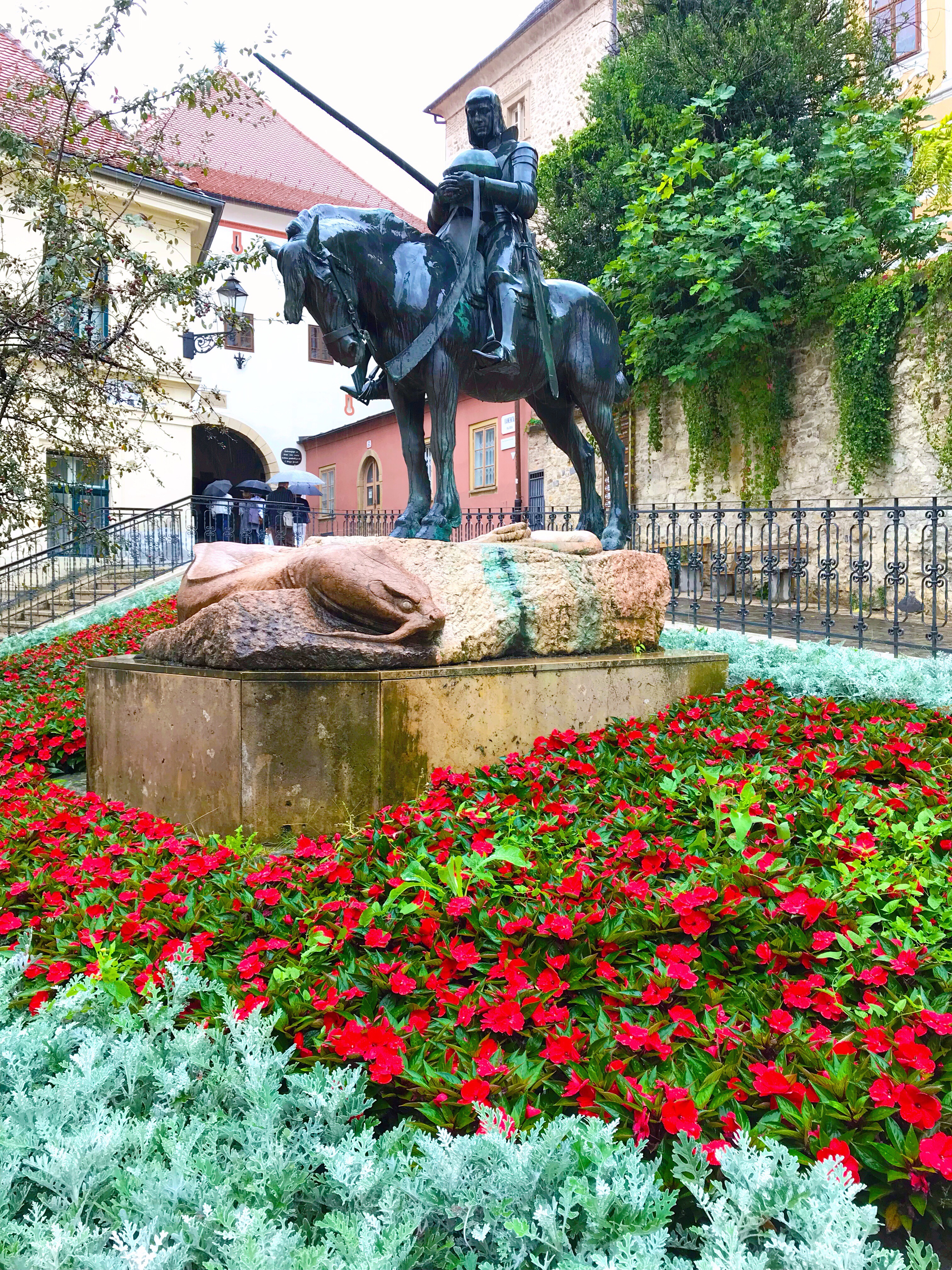
Sveti Juraj (Saint George) killing the dragon – a tale from the 11-12th Centuries, Saint George saves princesses from the dragon who demanded human sacrifices. Both photos below depict the same scene.
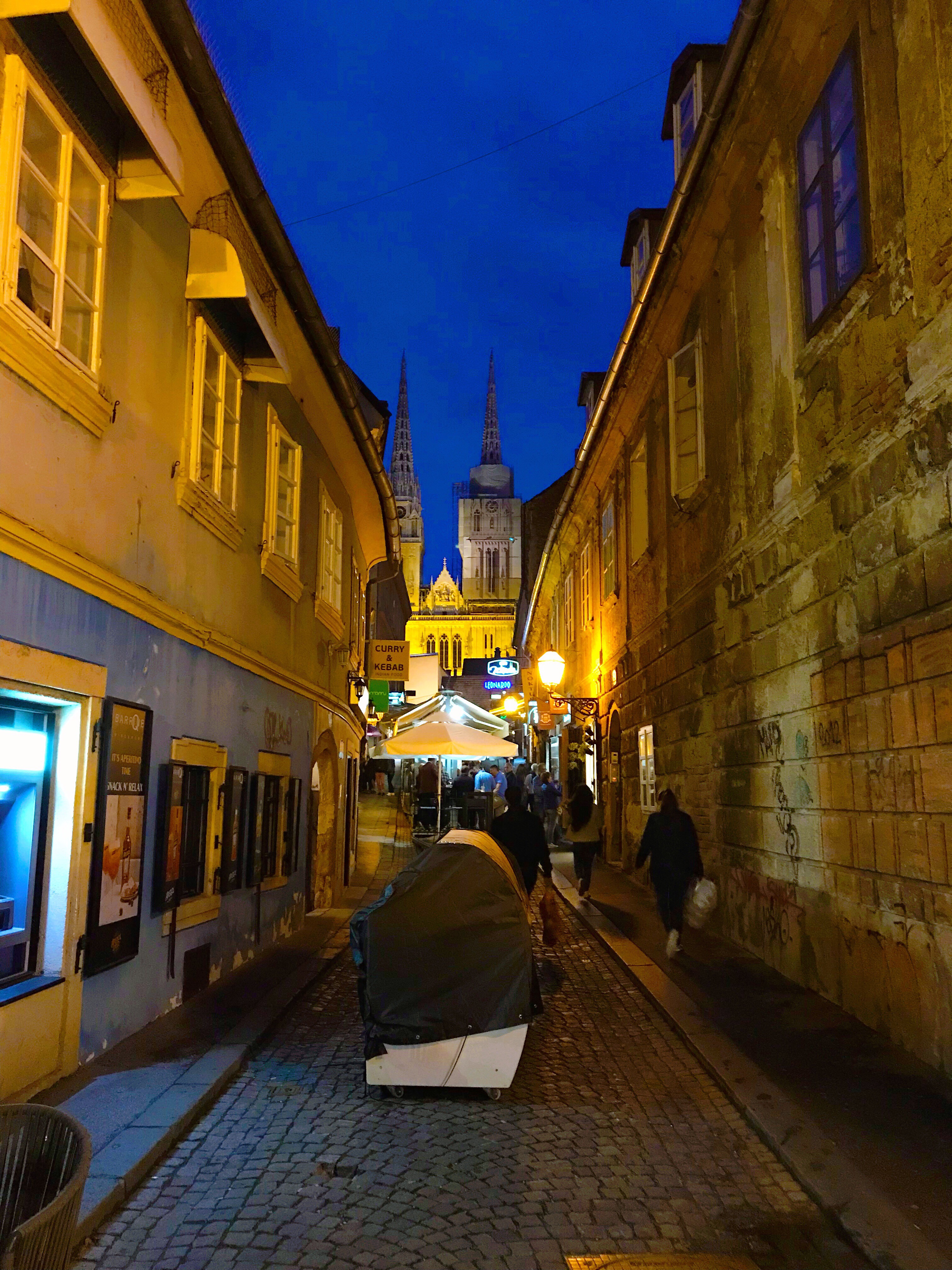
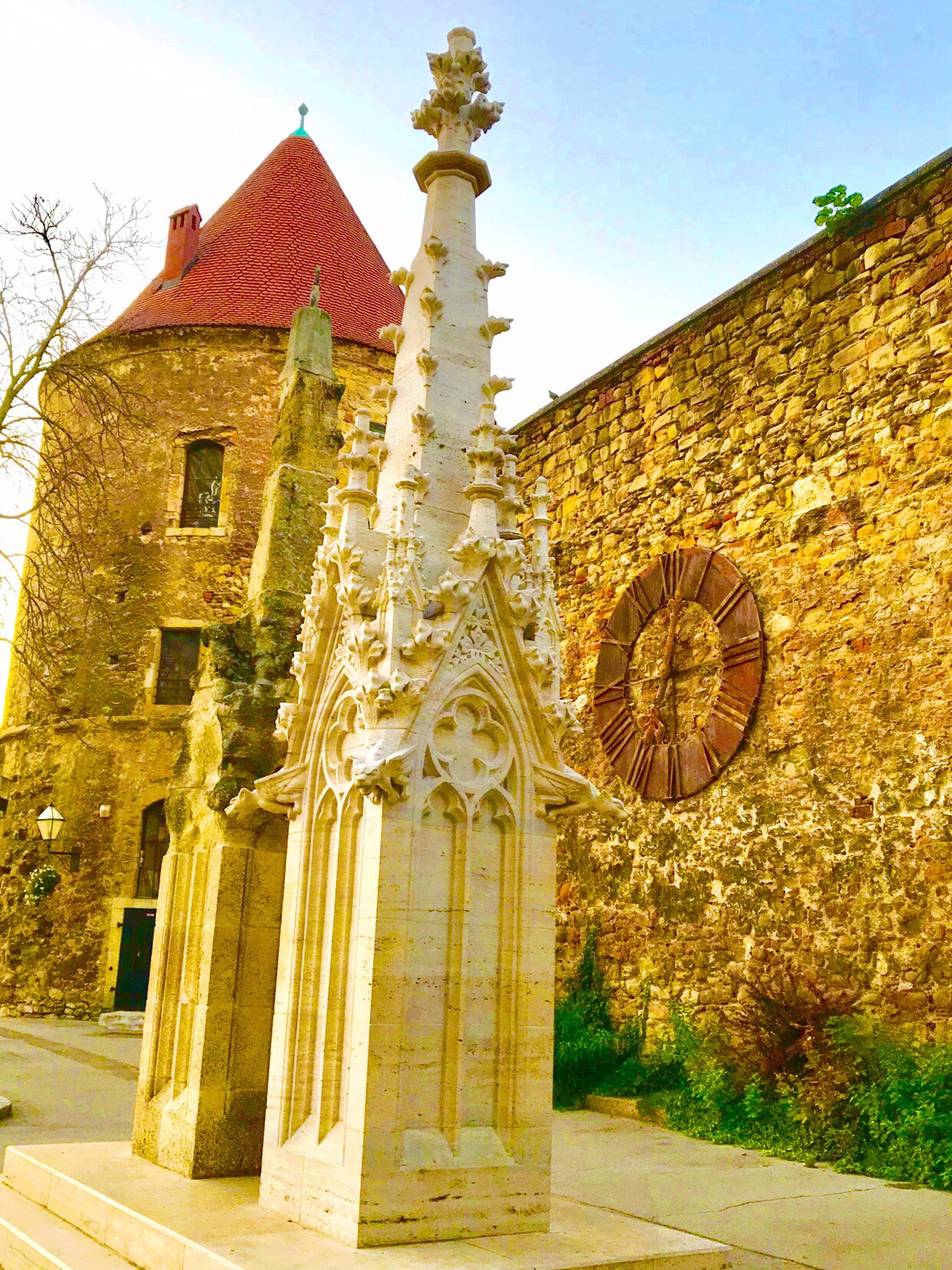
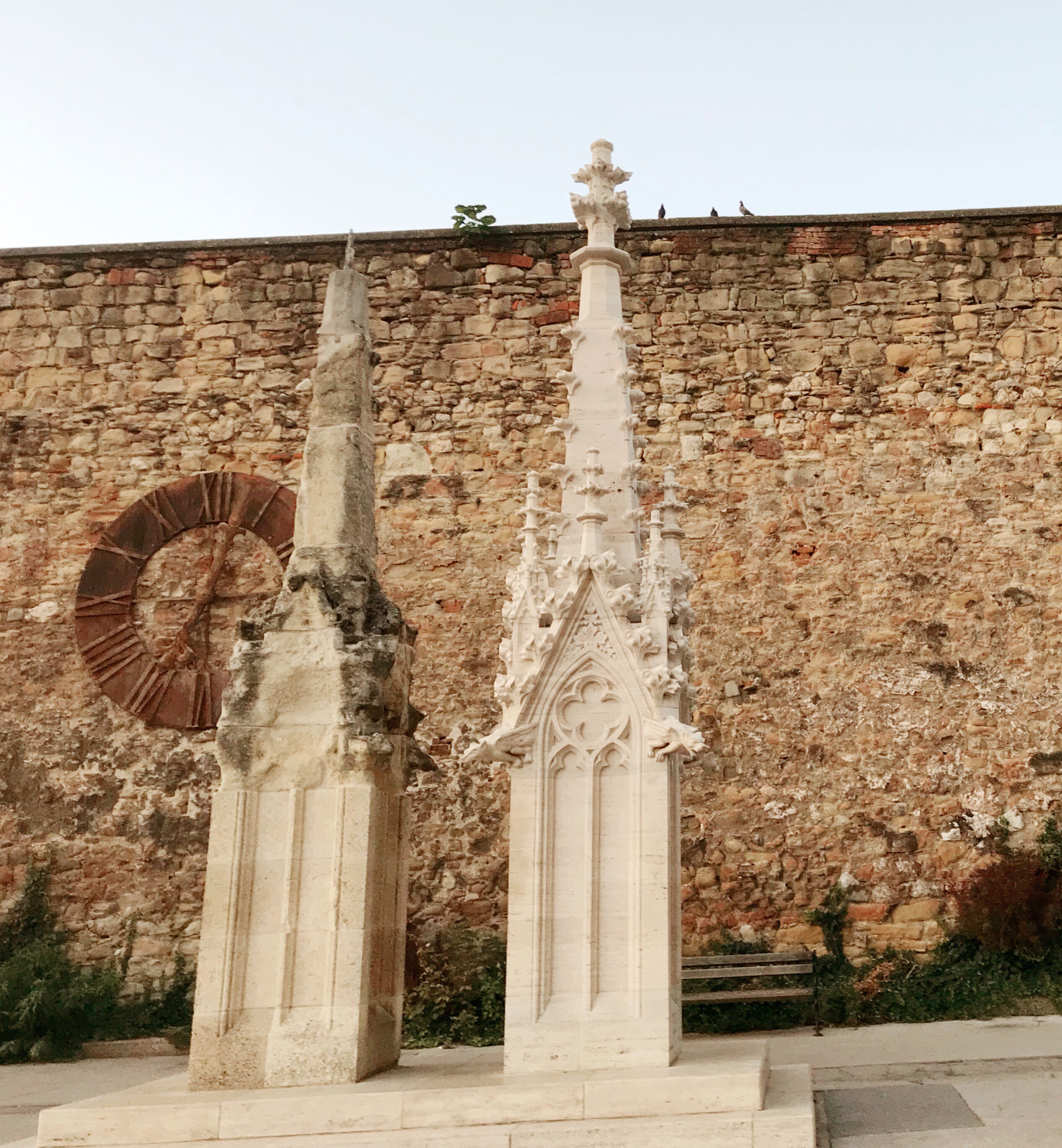
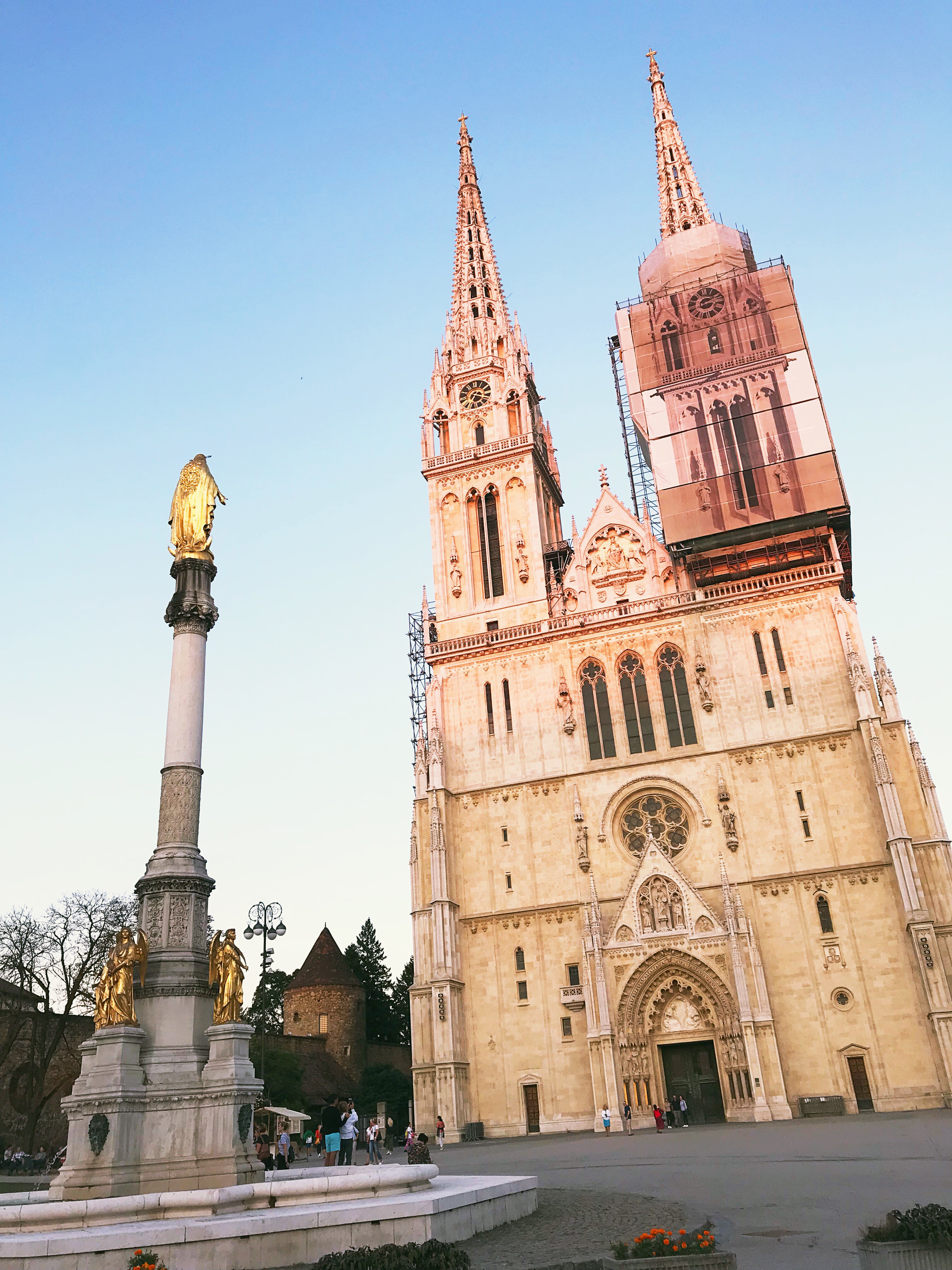
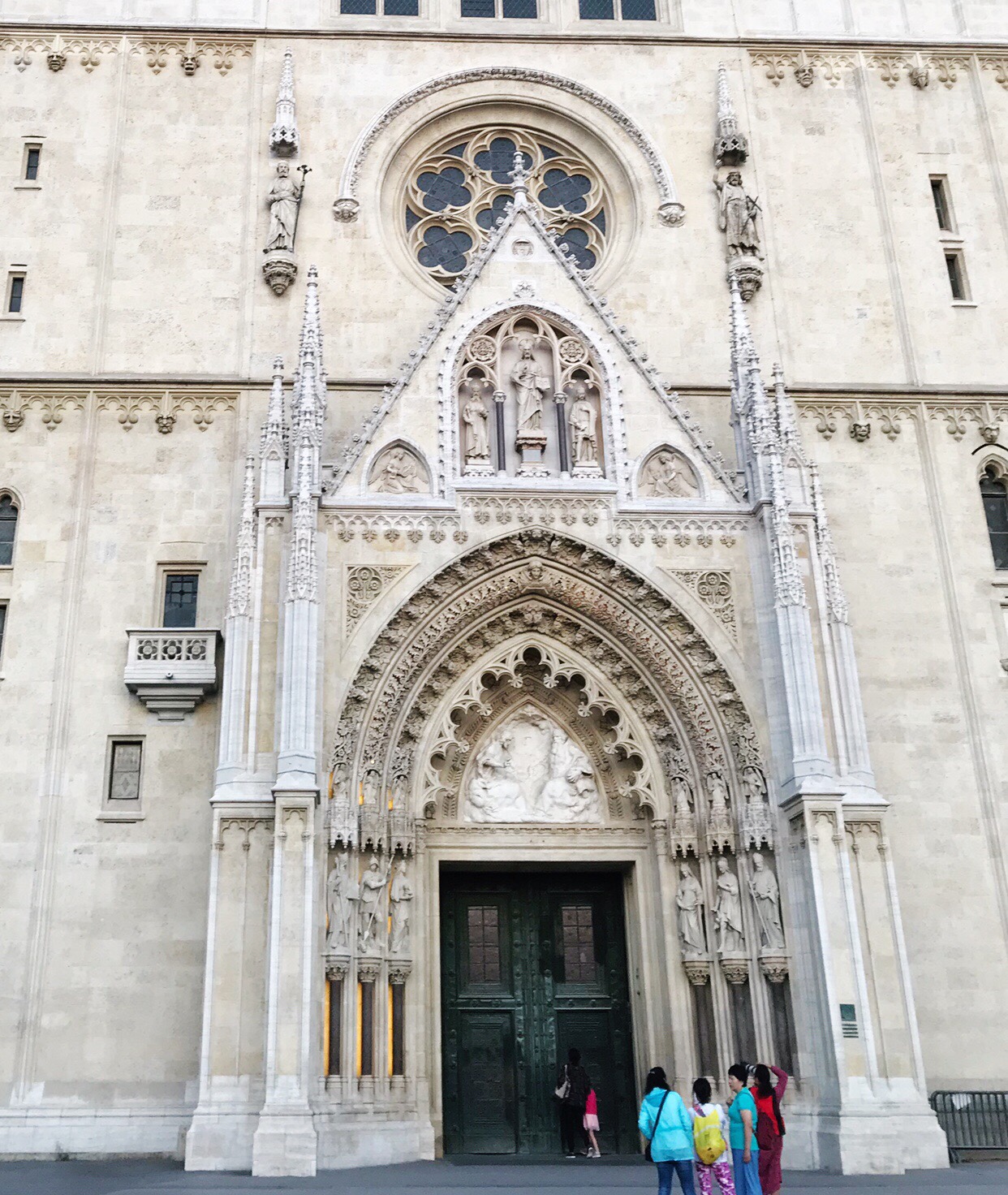
The Cathedral of Zagreb, originally completed in 1901, wasn’t renovated under Croatia’s Communist state, and the cathedral clock pictured here stopped working after an earthquake in 1880. The early 1990s brought independence and a resurrection of funds to revitalize the area. It still isn’t complete. The stones seem to change in color as the day passes – cream in the morning, bright at high noon, and warm creams and yellows at sunset.
Maps
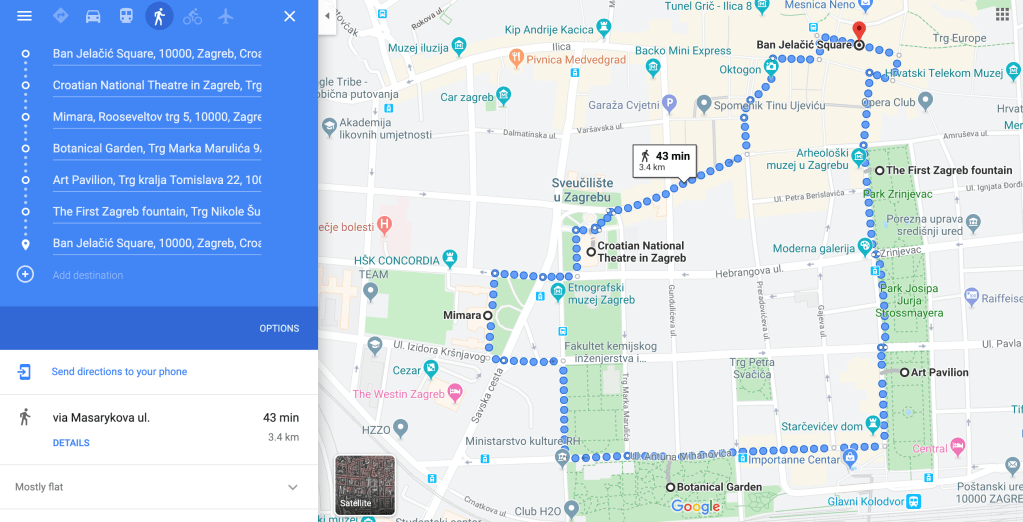
Day 1 – walking through uptown (aka up the hill)
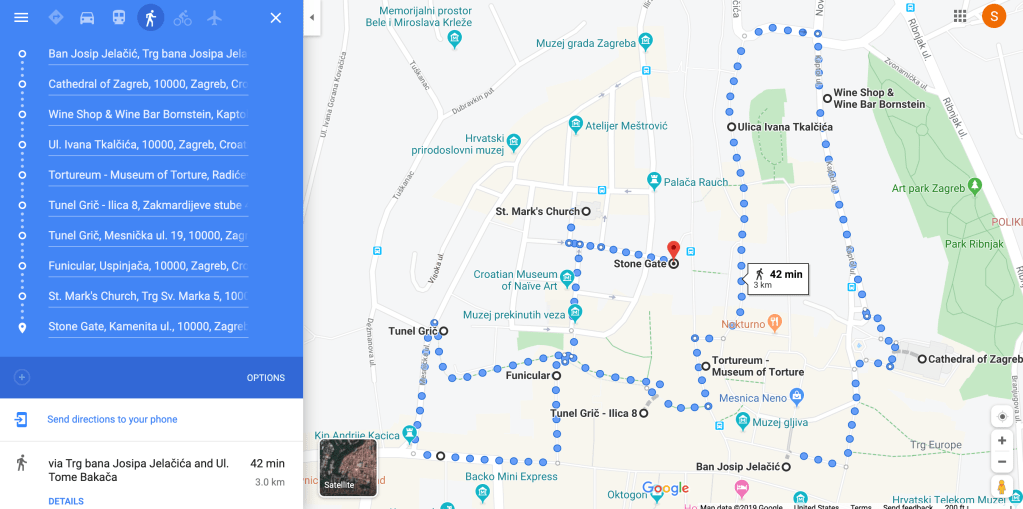
Day two – walking through downtown (aka the bottom of the hill)